Tag: nature

  • Hike Photos w/the Japanese Olympus C4100

    It’s been a while! I moved from Oregon to Southern California recently, so I’ve been busy with that and a new full-time job. But today, the weather was cool and cloudy, and I knew I wanted to get outside. I headed out, bringing along the Olympus C4100 I picked up in Tokyo earlier this year.

    OLYMPUS C4100

    This flower, right outside my front door, is not jasmine as best my research can tell. I think we do get jasmine around here, mostly planted. When you walk by a blooming jasmine plant, it smells amazing.
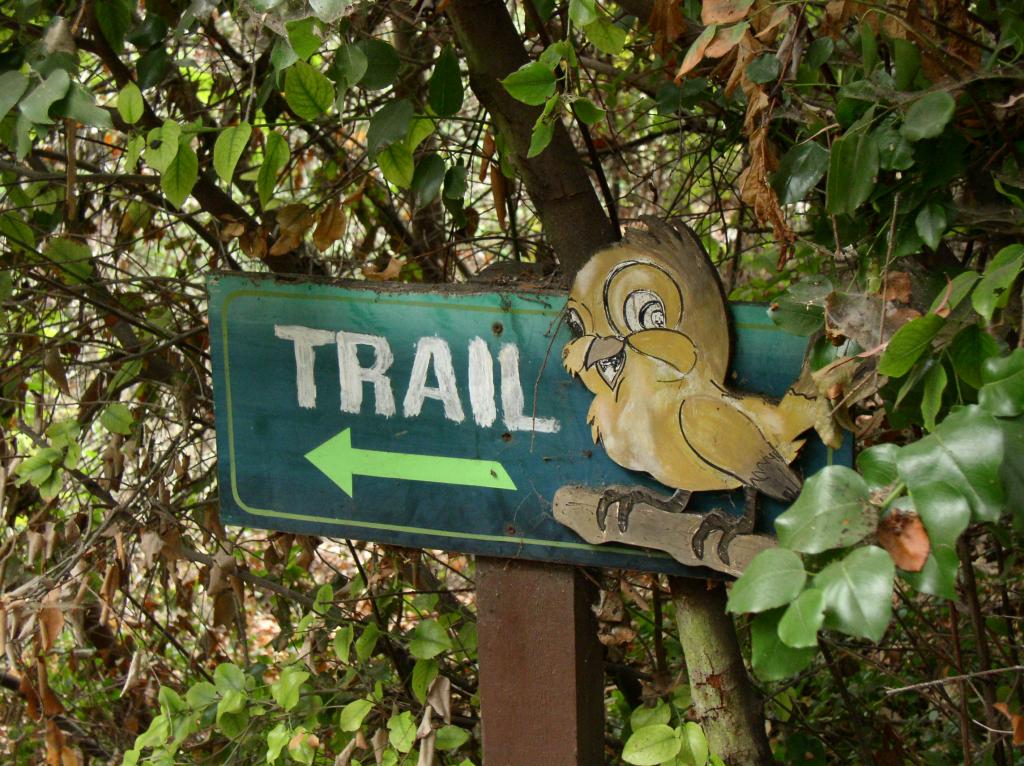
    The trailhead I found was next to a rather dilapidated nature center – it looked pretty closed, but they did have signs for guided hikes and other community events. I wonder if that would be a good way to meet people?

    OLYMPUS C4100

    A sign on the trail had this beautifully hand-drawn map of the trail. It follows a canyon for a ways, then climbs steeply up one side to reach an end.

    OLYMPUS C4100

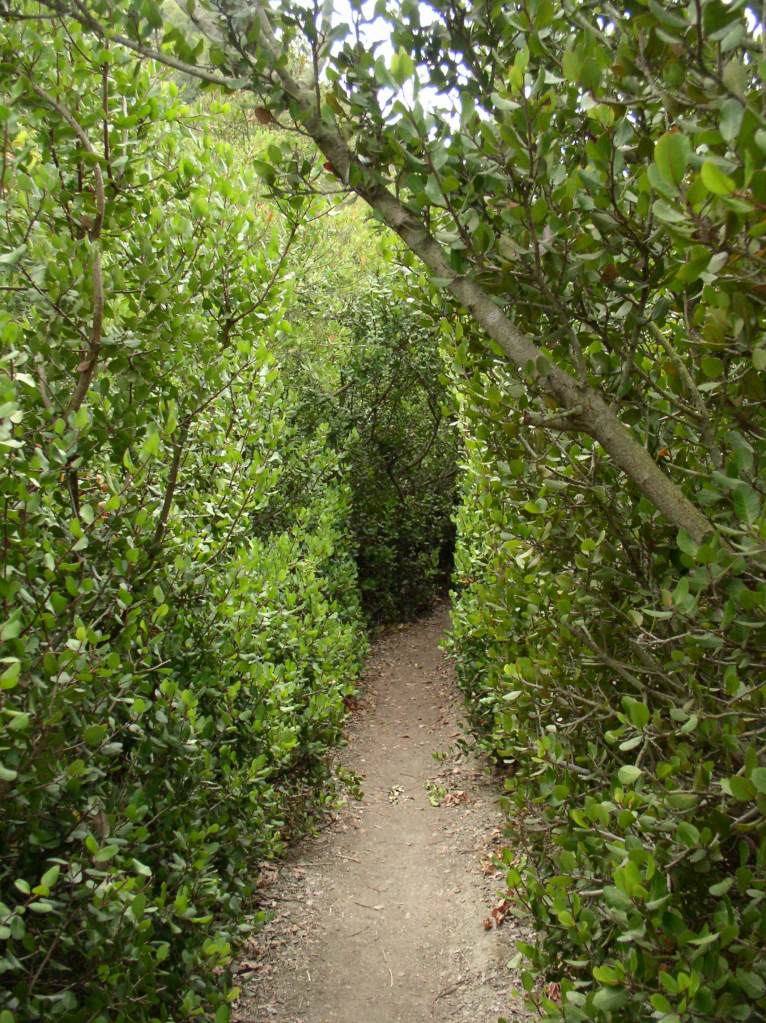
    If you follow this Narnia-like portal through the dense bushes, you can walk all the way up to a dead-end road at the top of the canyon. There are a few unofficial but well-loved trails carved through the hardy green shrubs, including a small overlook of the canyon, perfect for a picnic.
    OLYMPUS C4100
    OLYMPUS C4100

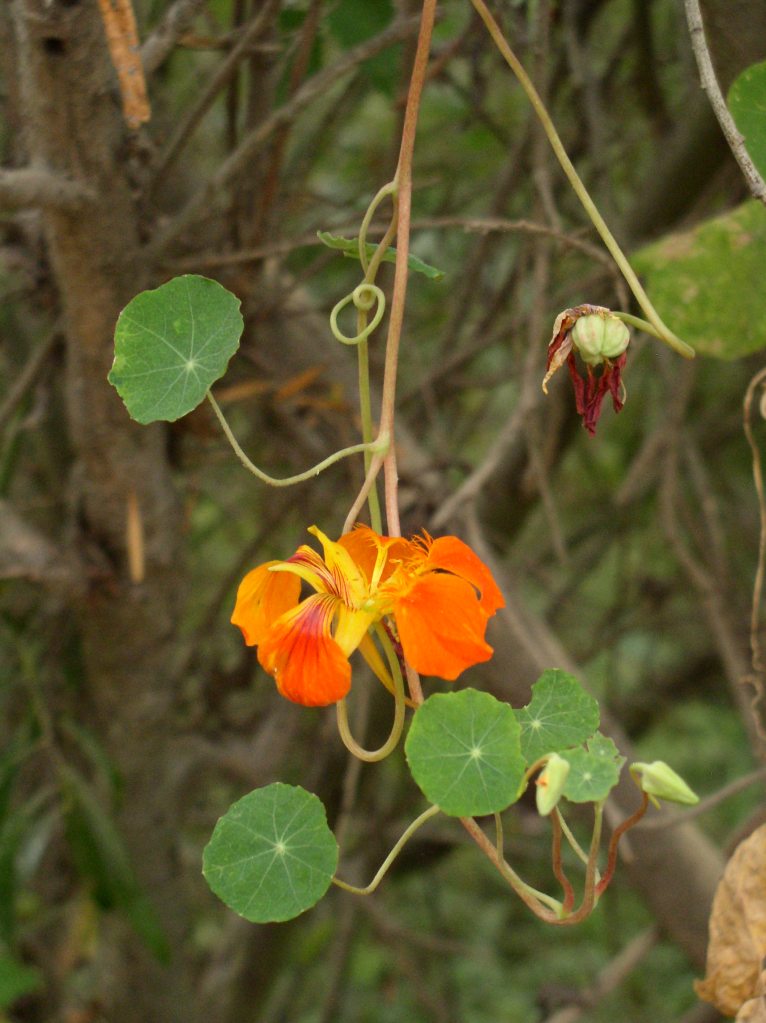
    Along the way, I encountered a good number of Tropaeolum majus (Garden Nasturtiums), which originated in the Andes mountains in south America, but have become naturalized in California. (Wikipedia) I included the scientific name because apparently actual nasturtiums are something else!

    These plants are also entirely edible – but the flower is the most interesting part. It’s spicy!

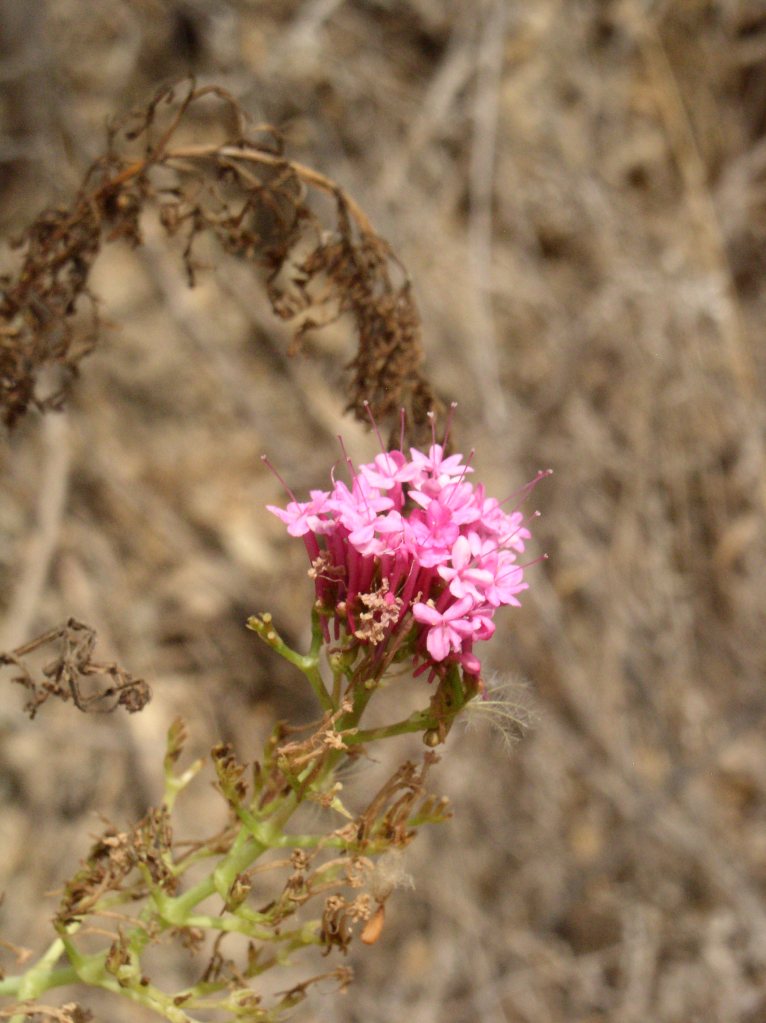
    I also encountered a number of other interesting plants whose names I do not know 😛

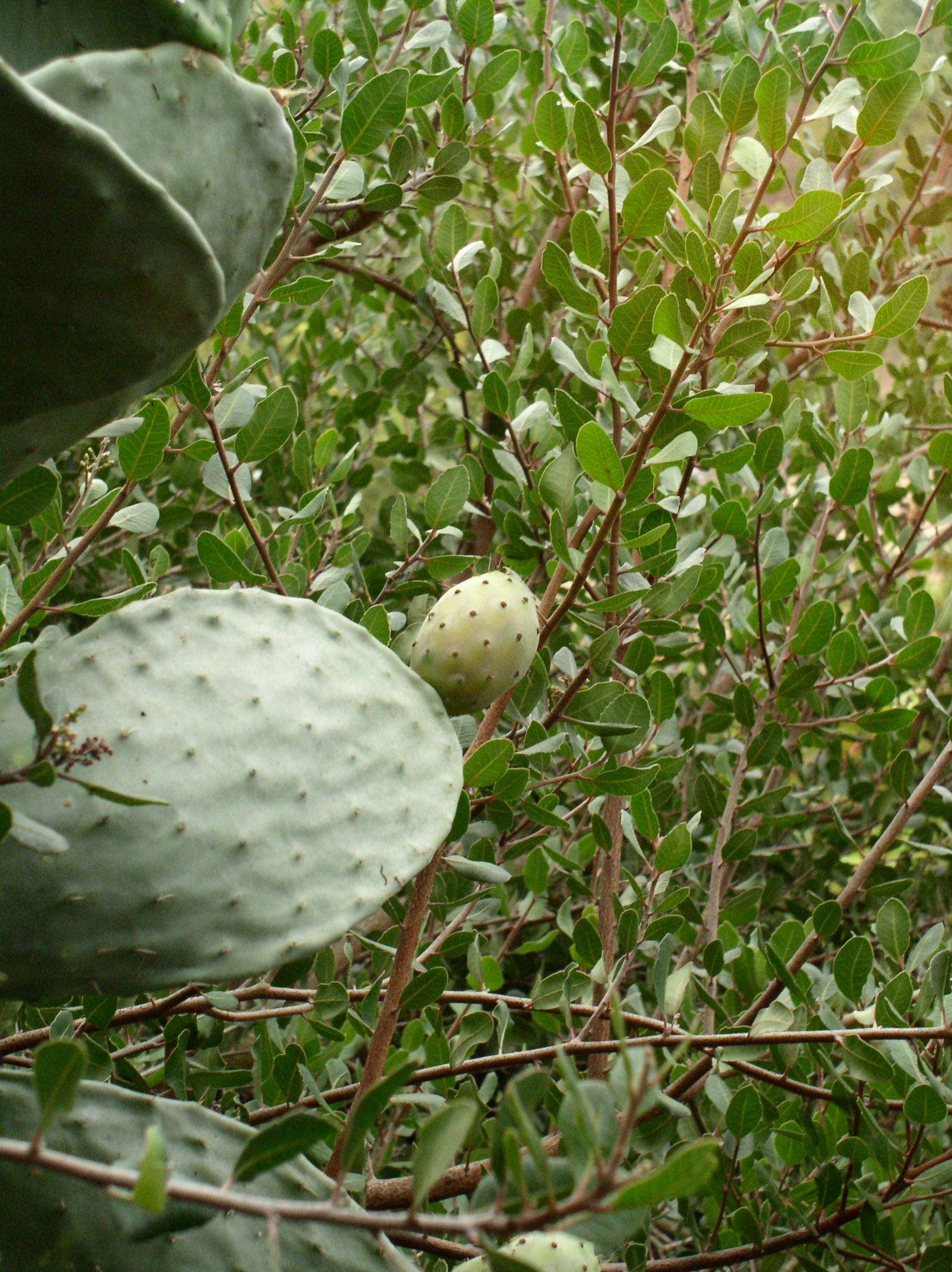
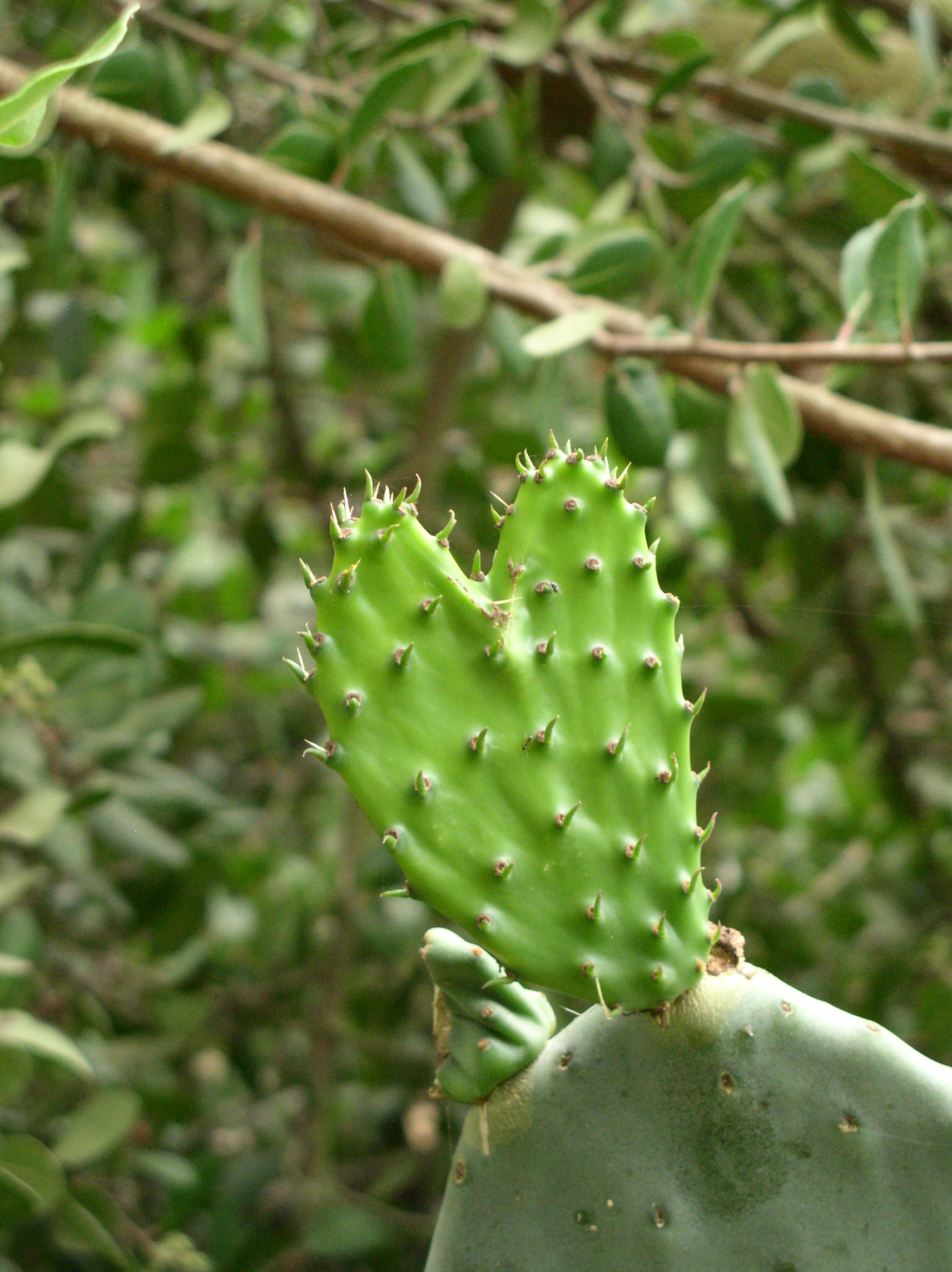
    Near the top of the trail, I found an old cactus with some new growth…

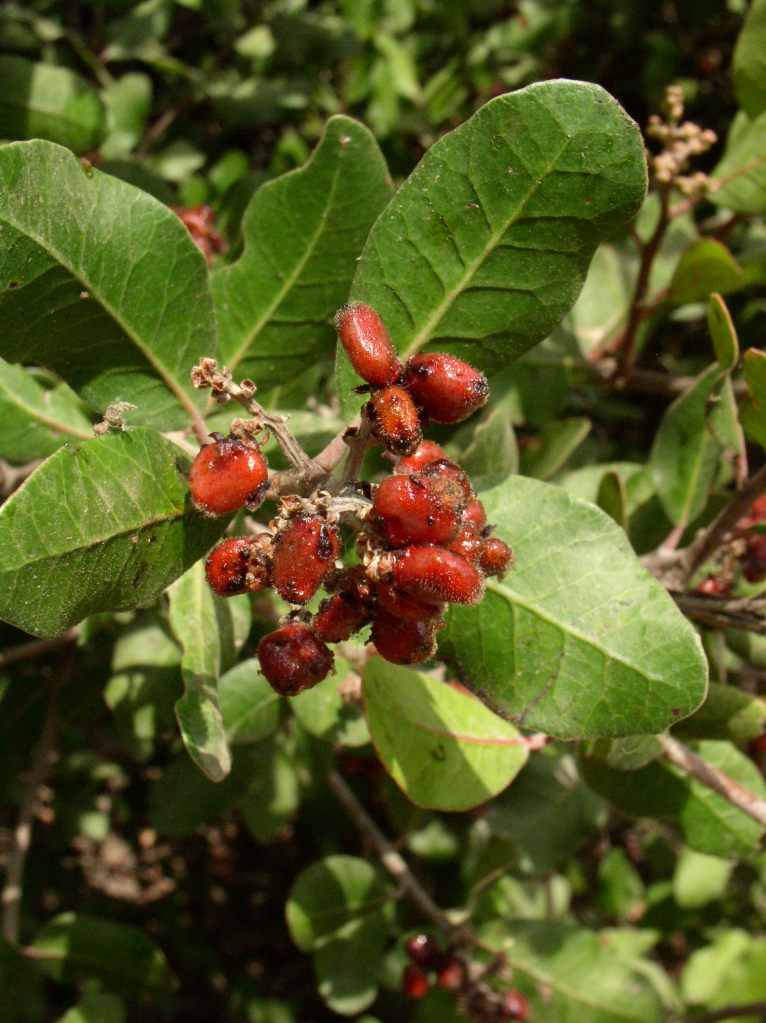
    One of the most interesting plants (to me) that I learned about on this hike was Schinus molle, commonly known as California Pepper Tree. It produces these clusters of small red berries, which are often sold dried as “Pink peppercorns”. They don’t actually have any relation to black pepper, but I can confirm that when tasted, the seeds are quite pleasantly peppery. This tree is also native to the Andes, but was widely in favor in the early 20th century as a shade tree and was planted widely over Southern California. (Wikipedia)

    OLYMPUS C4100

    After confirming that they were edible, I tasted a few. The outer flesh surrounding the seeds had mostly dried on these ones, but what remained was sweet with an herbal aromatic berry flavor. These are evergeens, so there was a tinge of that in the flavor. The seeds, of course, taste a lot like pepper. Not too spicy, but they leave a nice burning sensation in the back of your throat. I’d love to see these in a spicy fruit jam, as part of a drink, or spicing a sausage.

    So much so, that I may have gathered a few bundles from a nearby tree to bring home and experiment with!

    OLYMPUS DIGITAL CAMERA

    On my way back down, I found another pepper tree – but this one was flowering! These flowers are much smaller than the resulting berries – only about 5mm wide!
    OLYMPUS C4100

    I enjoyed seeing all the edible plants along this hike. It was interesting to think about how many native plants exist that can be used as seasoning. Sometime it would be fun to make a dish seasoned entirely with foraged spices, but that will be for another weekend 🙂

  • Backyard Bugs: Macro photography w/Nikon D200

    A few nights ago I was watching a video on basic macro photography tips for good bug photos. Today I decided to go try them out!

    The video was pretty simple overall – you need a macro lens (or an extension tube), a camera (of course), and a flash diffuser. All I have is the camera and a lens with a “macro” mode – not as good as a dedicated macro, but still acceptable.

    The entire setup. A less floppy diffuser would be nice.

    For the diffuser, I cut a hole in a piece of printer paper and stuck it over the lens. It works pretty well!

    Look at those wings!

    Weirdly, about half the bugs I approached flew away instantly. No idea why…

    Bug’s Eye View of the Average Macro Photographer
    A caterpillar! I wonder what the long hairs are for…

    Walking around the yard peering into tall grass and plants looking for bugs, I felt like a Bug Catcher from Pokemon…

    To be fair, this is probably the closest I’ll get to experiencing what it’s like to document Pokemon using a Pokedex.

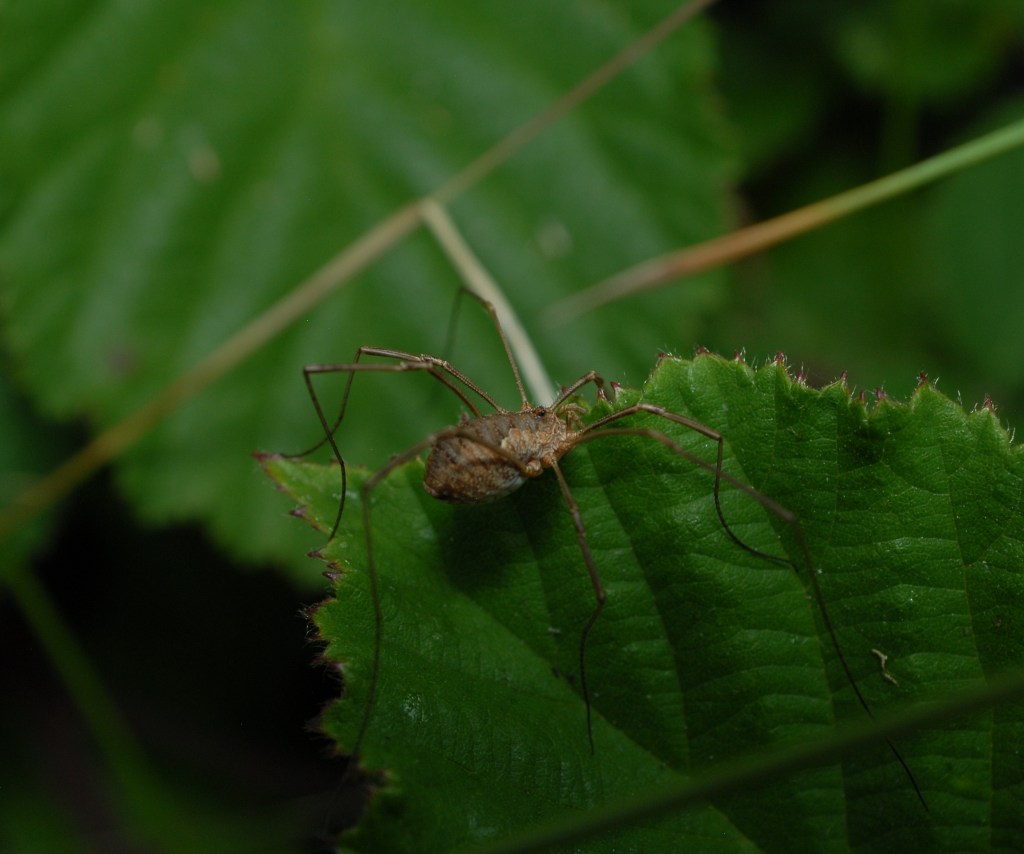
    Eugh. This isn’t actually a spider! It’s from the order Opiliones, which are arachnids, but not spiders. It’s also commonly known as a Daddy Long Legs, or Harvestmen.
    This one had a golden iridescent sheen to it – probably something about the structure of its scales refracts/reflects just the right wavelengths of light.
    I didn’t get a single crisp Bumblebee photo – they were always moving around, even when sipping nectar from these blackberry flowers.
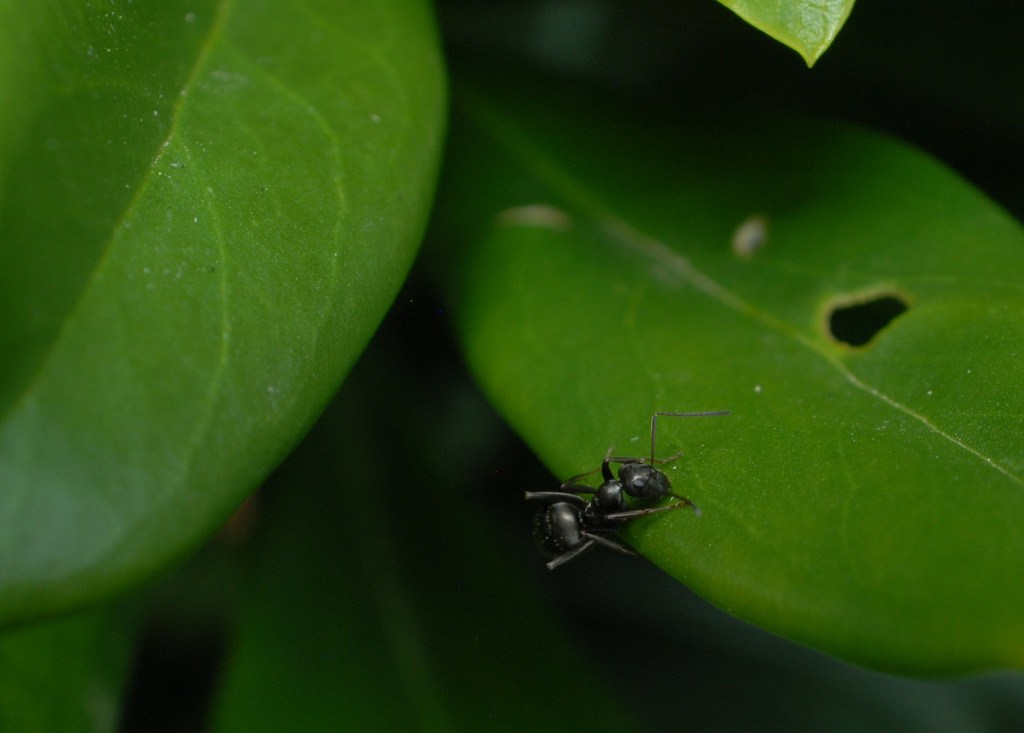
    An ant thing. This was larger than a common black ant.
    This one posed for me! When I got close, it switched positions a couple of times as if trying to let me get several angles.
    No idea what this little dude is, but he has cool patterns on him.
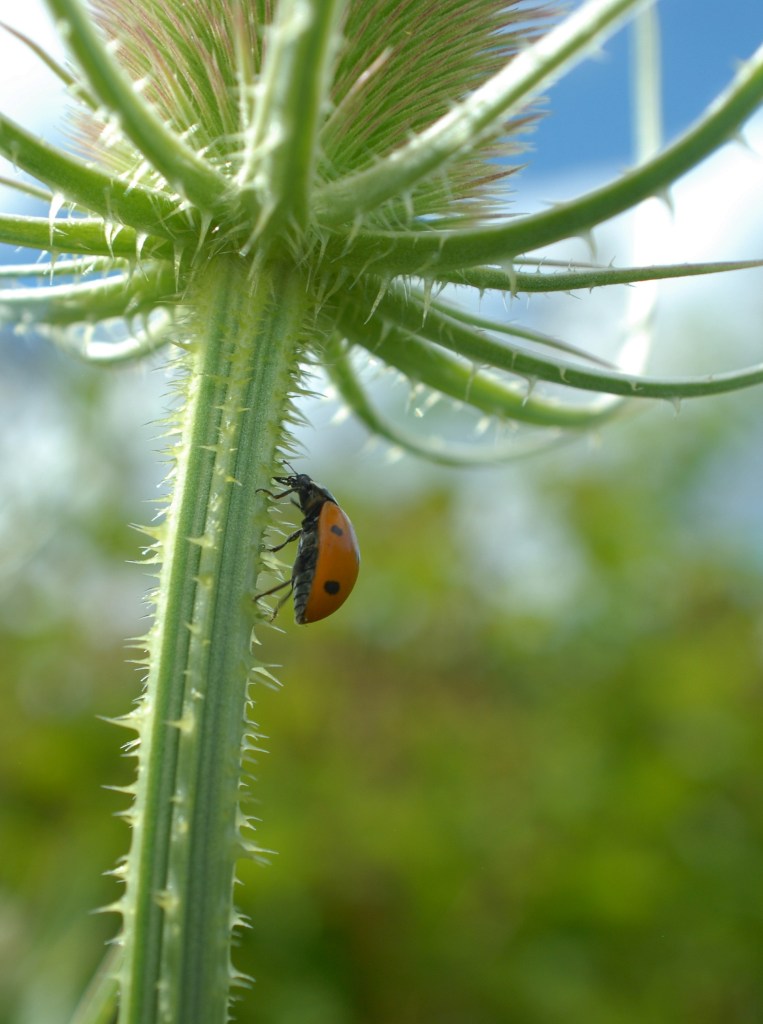
    Another view of this ladybug.
    Ladybug isn’t bothered by how evil this plant looks.
    She crawls right up the spikes.
    Oh, bye!

    I also got a few nice non-bug shots:

    Maybe next I’ll try 3D printing an extension tube to let me use this lens for better macro shots (or one of my other lenses).

    In case anyone is curious, here is the video: https://www.youtube.com/watch?v=CLNux66fdQ0

    All for now!

  • Mary’s River Natural Area: Nikon D200

    Chatímanwi, or Mary’s Peak, is the tallest peak in the Oregon Coastal Range. It’s about a 45 minute drive from home, and has beautiful views and flowers in the spring.

    In the middle of moving, I somehow still found time to buy another camera . . . To be fair to myself, I’ve pared my collection from about 30 to only 8 I plan to keep, so I’m doing good.

    The limitations of my compact “prosumer” digital cameras (dynamic range, small sensor size) had me wanting to upgrade to a DSLR, so when I found this Nikon D200 (A high-end APS-C sensor camera from 2008), I jumped at the opportunity to snatch it, batteries, and a lens for $77.

    The white spot at the upper right is lens flare – you can’t see the sun in the photo, but light from it is causing this artifact on the image.

    Today I needed a break from working on moving plans. So I took the D200 out to the Mary’s River natural area, a seasonal wetland about 15 minutes from where I live.

    One advantage of the larger sensor (about 6x larger than my other cameras) is the bokeh–or background blur–I can achieve with it. However, I have to be more careful of focus. Here, you can see the flower isn’t totally crisp.

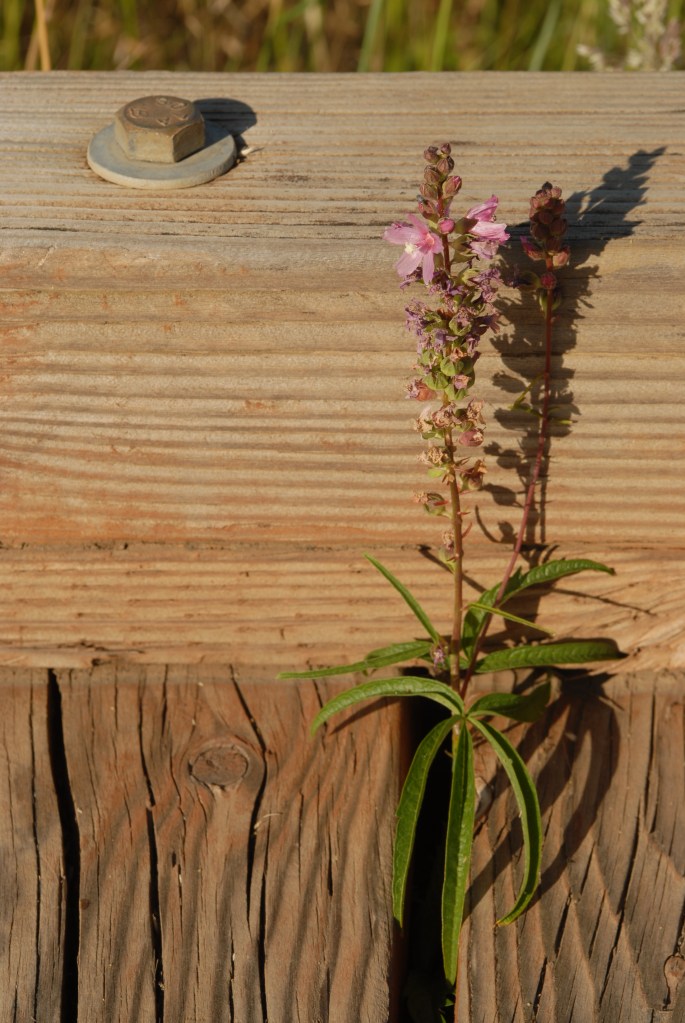
    In the spring, it has a ton of flowers – now less, but I still managed to see around a dozen different types.

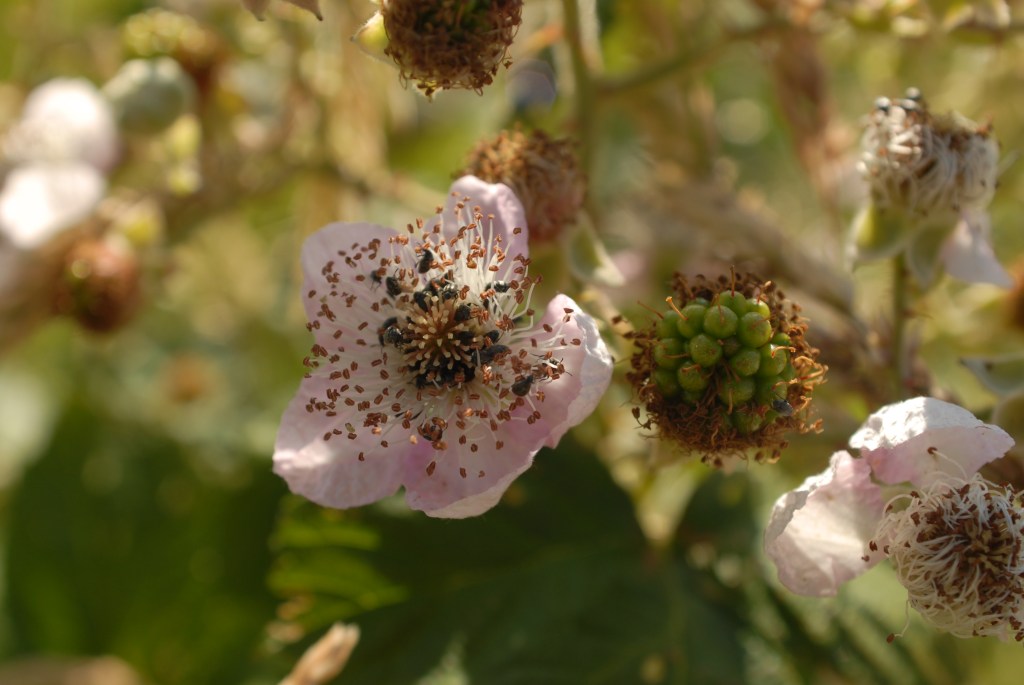
    This blackberry blossom had a ton of little beetles (or weevils?) crawling among the stamen.
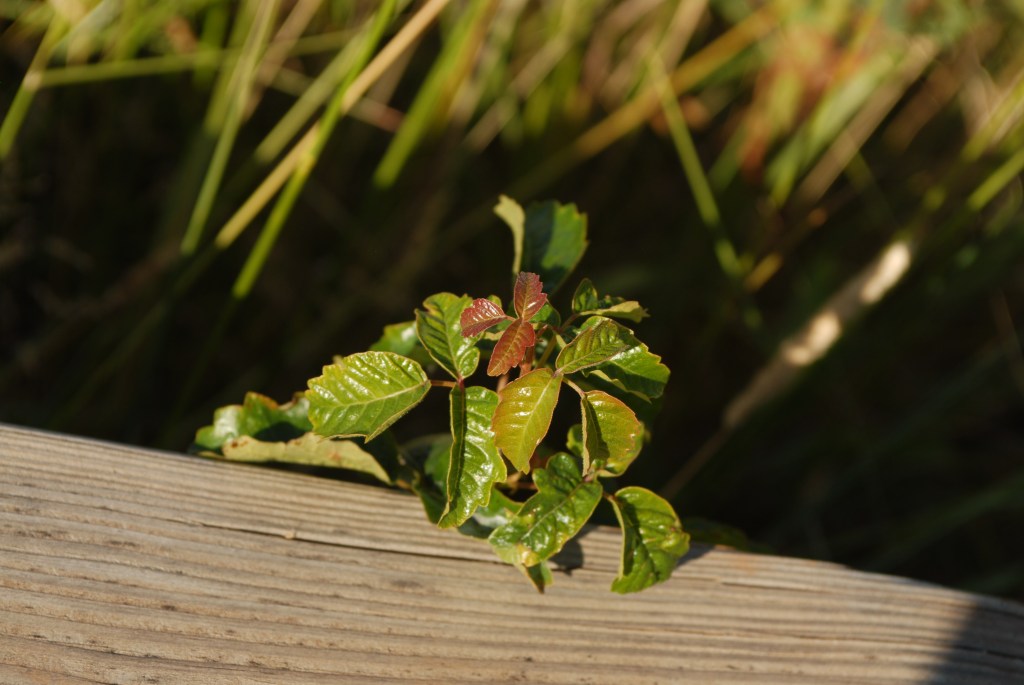
    Poison oak was also aplenty. It’s easy to spot at this early stage, because of its red, shiny new leaves. I don’t actually know if I react to it – so far, I’ve either been extraordinarily lucky, or don’t react to its oil.
    Another bug! Notice the sunspots right above the bug – the flat sides are due to the physical shape of the opening in the camera lens. Some people don’t like this effect – I do.
    A weevil friend! You can tell due to its distinct “snoot” and antenna attached halfway up the snoot.
    For this photo, to get everything sharp, I had to use a smaller aperture (the hole in the lens that lets light through) – the smaller the hole, the deeper the area in focus is. The larger the hole, the less deep the area of focus is. Most of the photos above used the largest opening size in the lens.
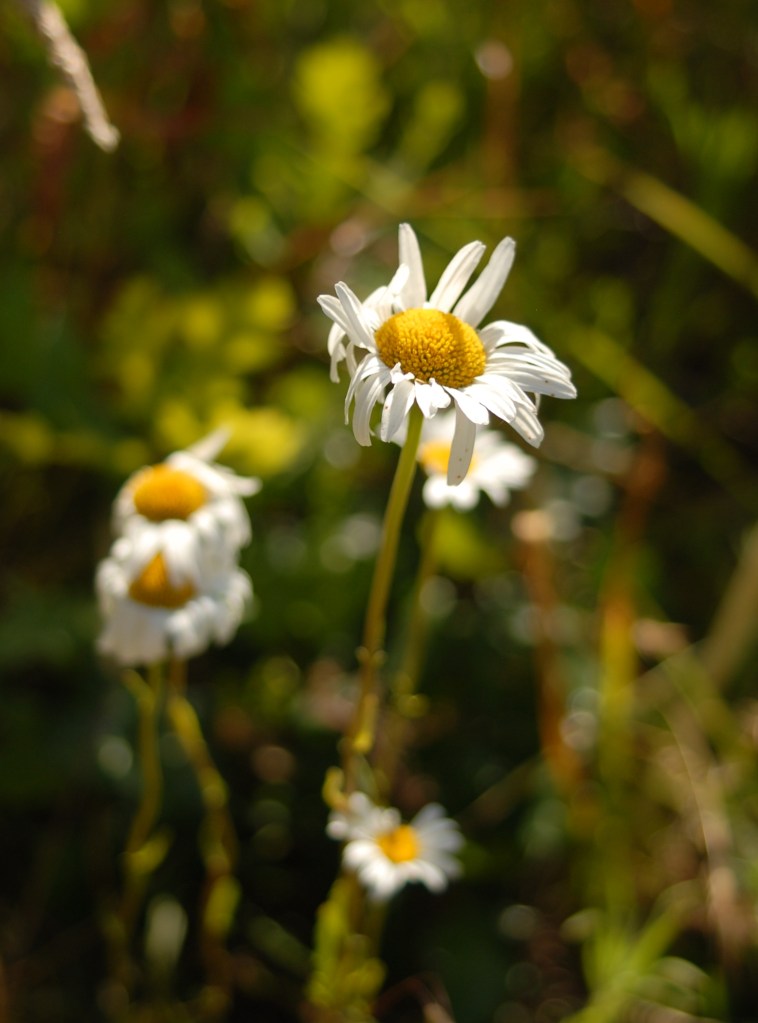
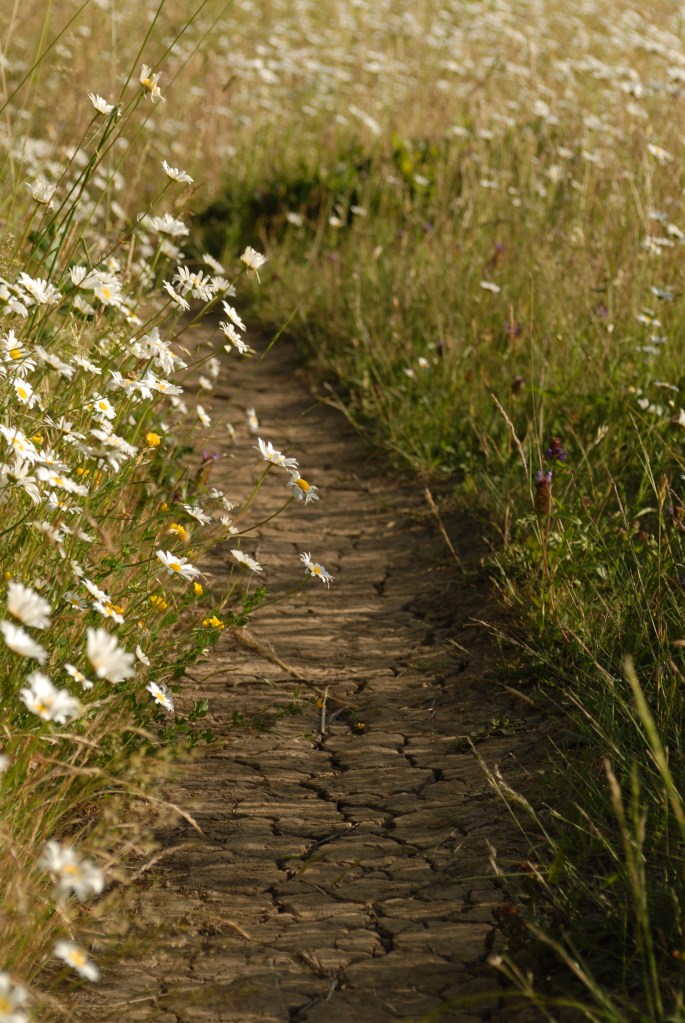
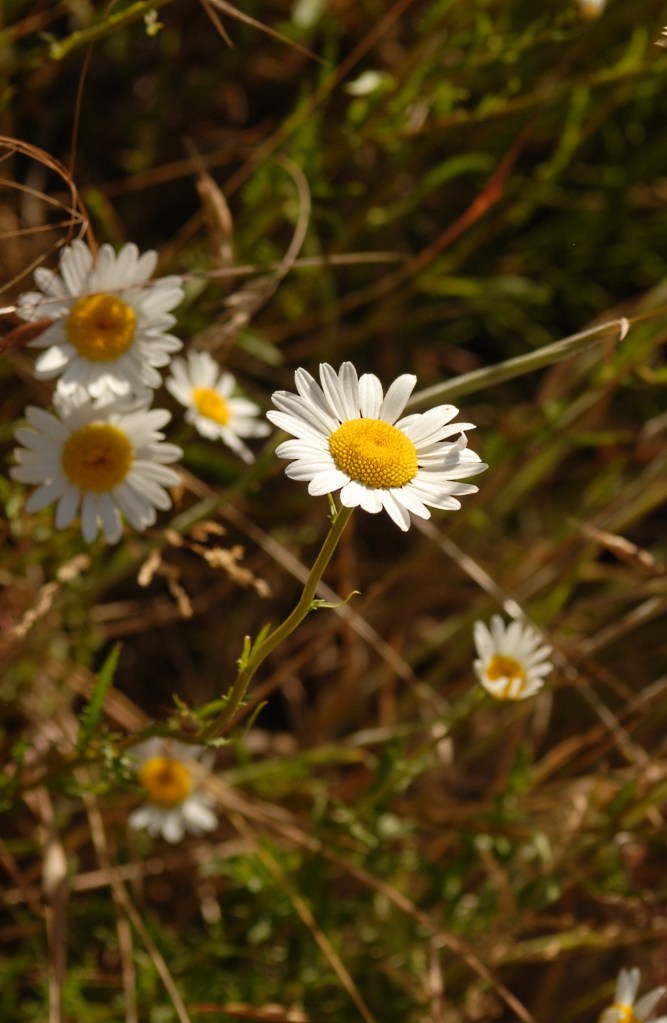
    There were SO MANY DAISIES. I really wanted to pick a bouquet, but didn’t want to carry it (in addition to my camera and bag) all the way back.
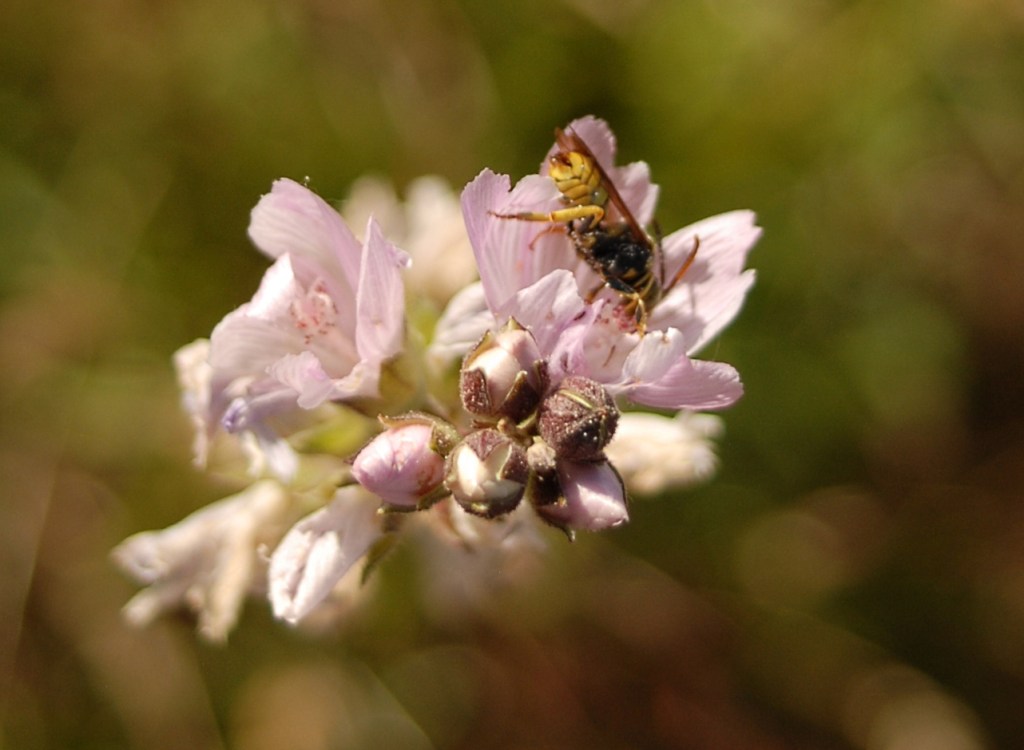
    Wasps are pollinators too, but I still prefer honeybees 😛

    One nice thing about this camera (and its 10MP sensor) is that – as long as the image is in focus enough – I can crop quite a bit. The wasp image above was about 8x larger than what you’re seeing, but due to the higher resolution of the sensor, I can crop in to just what I care about afterwards.

    This old car is hanging halfway over the edge of the river bank, supported by several trees grown through it. It might be a Fiat 850 or something close, but I can’t tell for sure.
    I love the colors and very soft grain of this photo.
    More daisies . . .
    Woah, not a daisy!
    This might be my favorite photo of this whole walk. These flowers are beautiful, and the bokeh, lighting, and colors are fantastic.
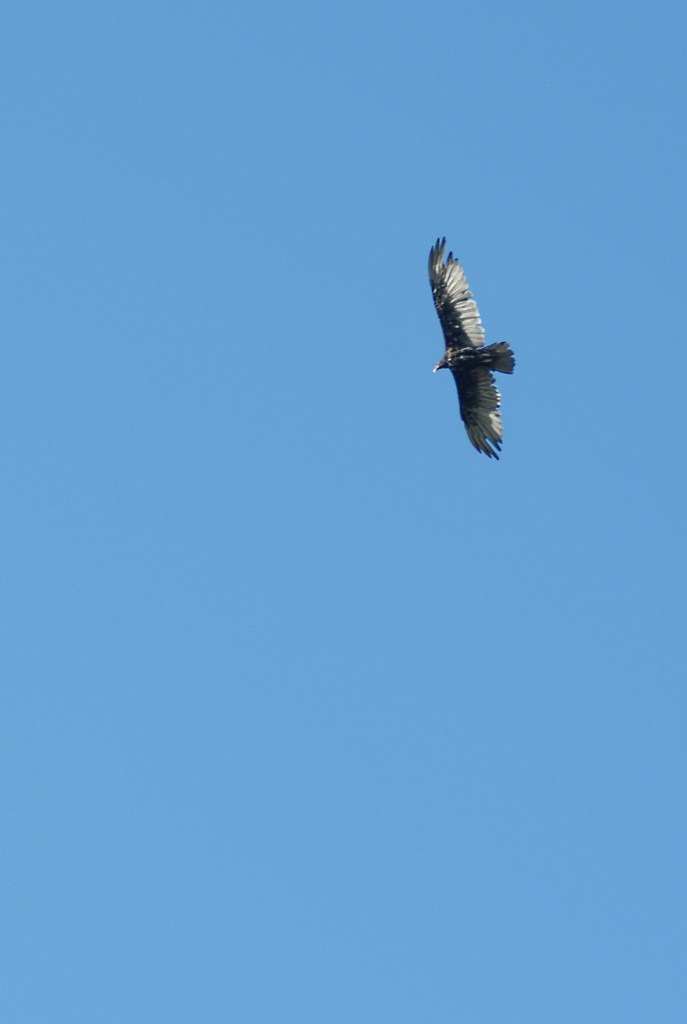
    I’m not sure what bird this was.
    Two bugs sharing a daisy!
    Delightfully evil looking plant.
    This bumblebee was a happy accident – I was snapping photos of something else and heard a buzzing near my ear!
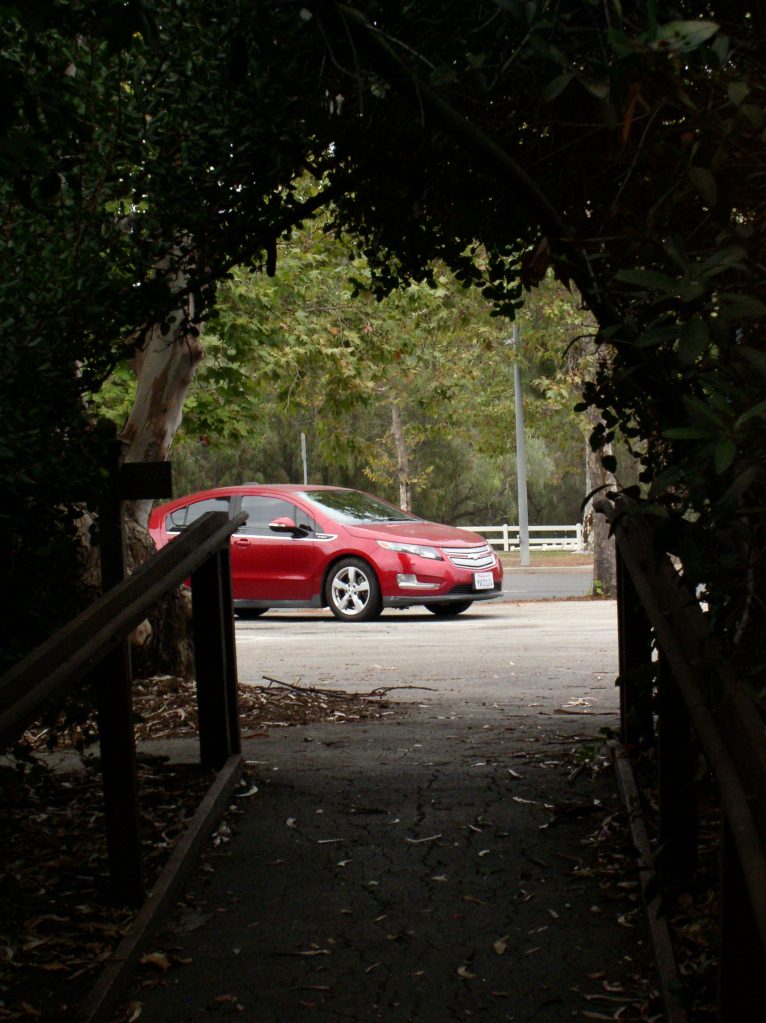
    The 2015 Chevrolet Volt isn’t the sleekest of cars, but I like mine.

    All for now!

    All images in this post can be used under the terms of the CC-BY 4.0 license. No other images on this site may be used under this license unless otherwise noted.

  • Lyon, France: 4/11

    Today’s travels (4/13) have me headed from Lyon to Lille, both in France. Tomorrow, train schedules willing, I’ll finally be in Amsterdam – but to be honest, I’ve loved my time in Lyon and am sad to leave.

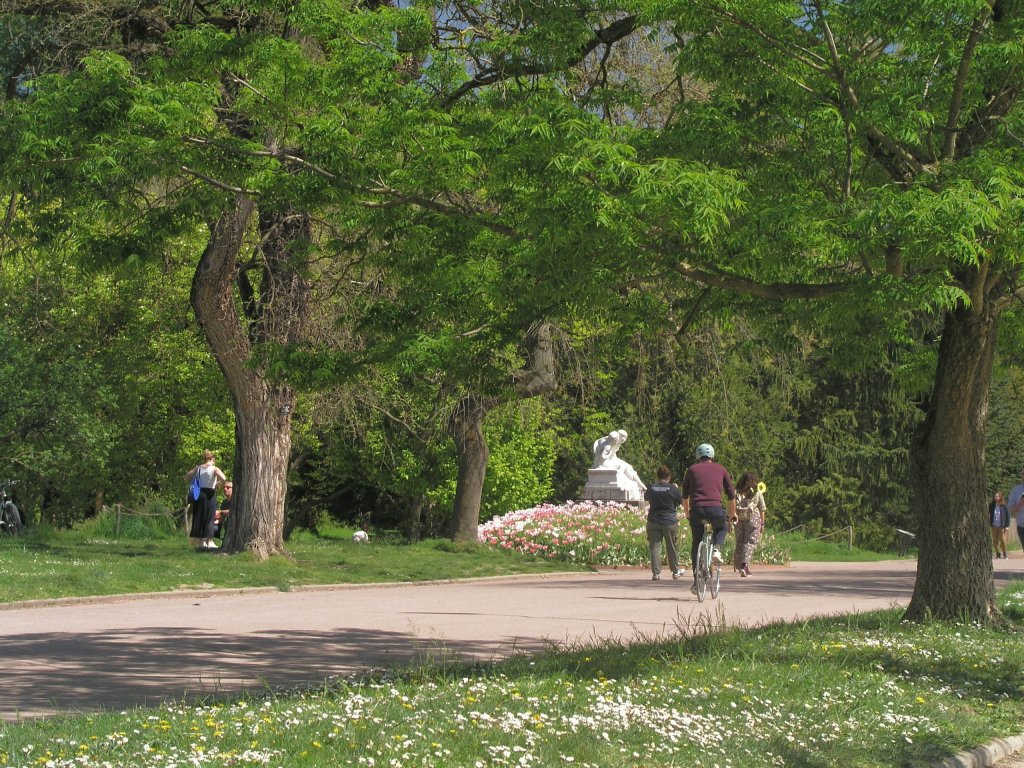
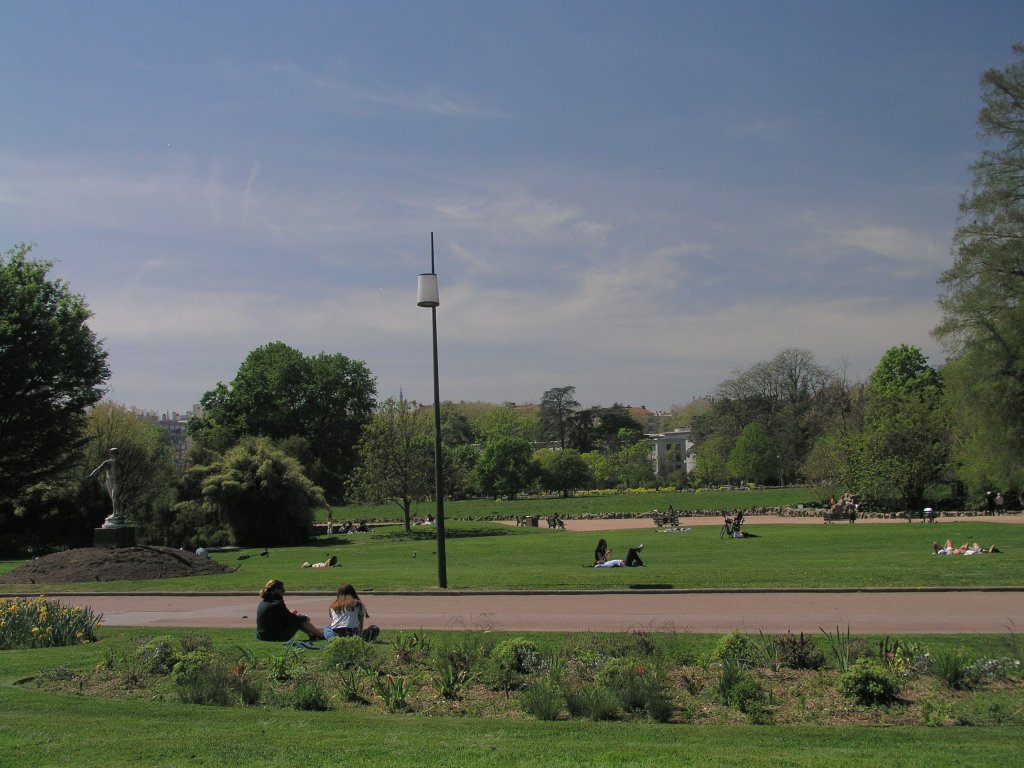
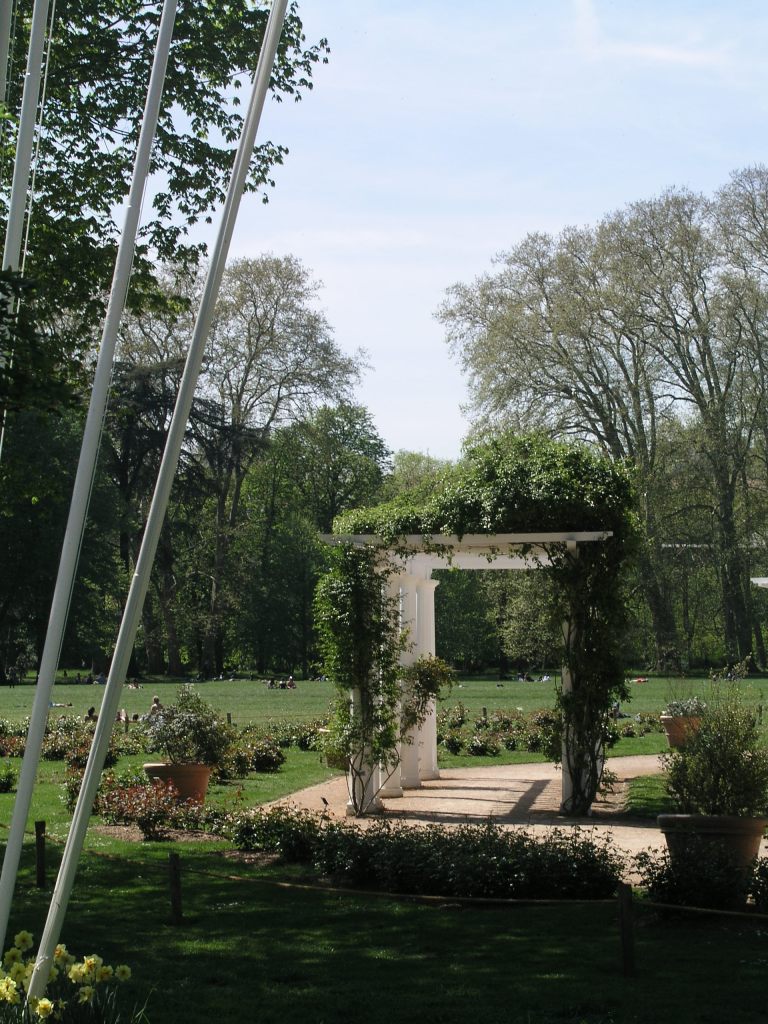
    There are gonna be a LOT of photos in this one, since I spent most of the 11th walking around the amazing Parc de la Tête d’Or – or “Park of the head of gold”. According to Benoit (pronounced like Ben-whee), a local I met, legend has it that Louis 16 buried a head made of gold shortly after this park’s construction. Digging is, of course, forbidden. Wikipedia’s version of the legend says that Jesus’s head is supposedly be buried here. I guess legends change source to source, maybe that’s part of what makes them legends 😉 Either way, the parcel of land has been named this since before 1530!

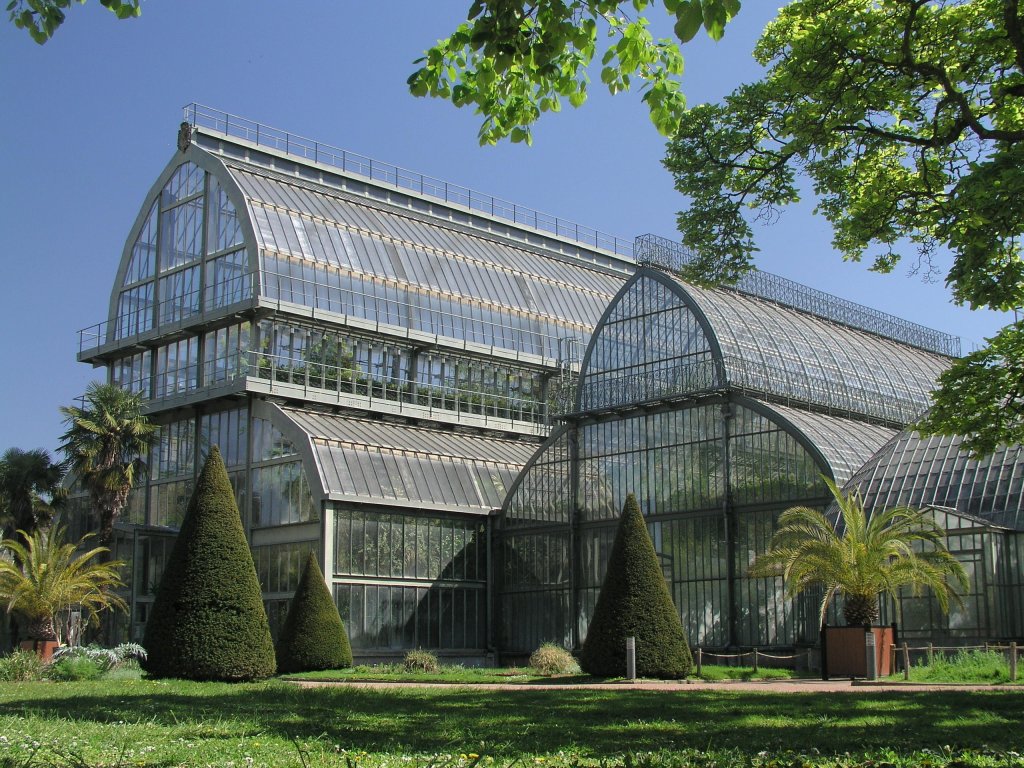
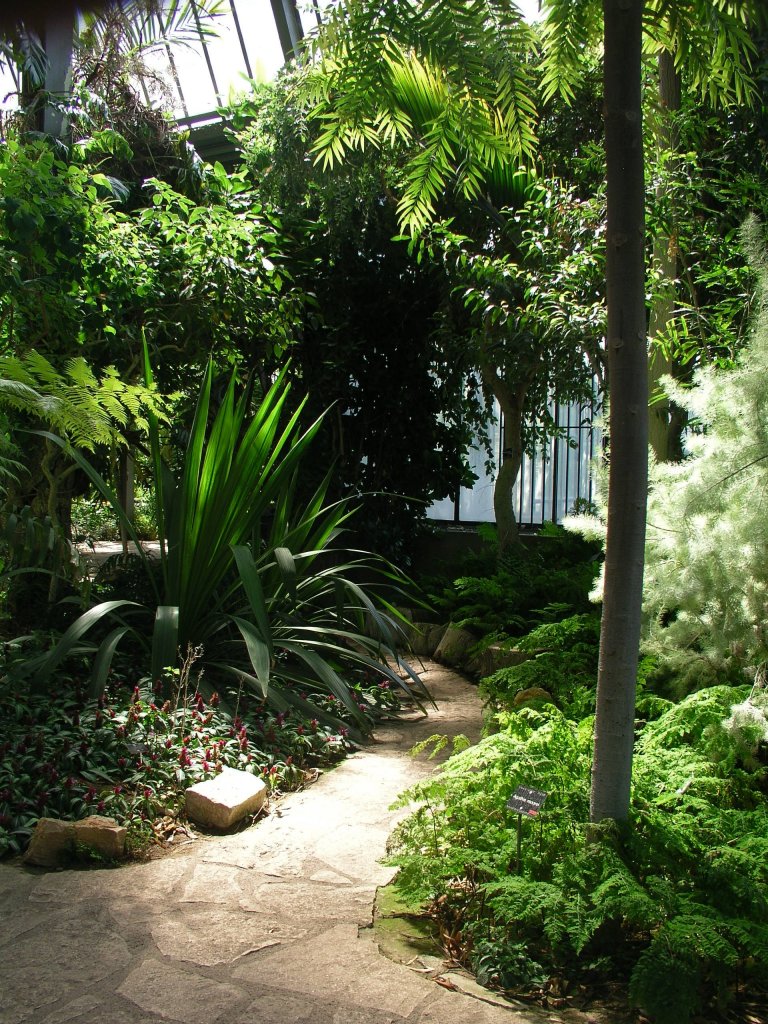
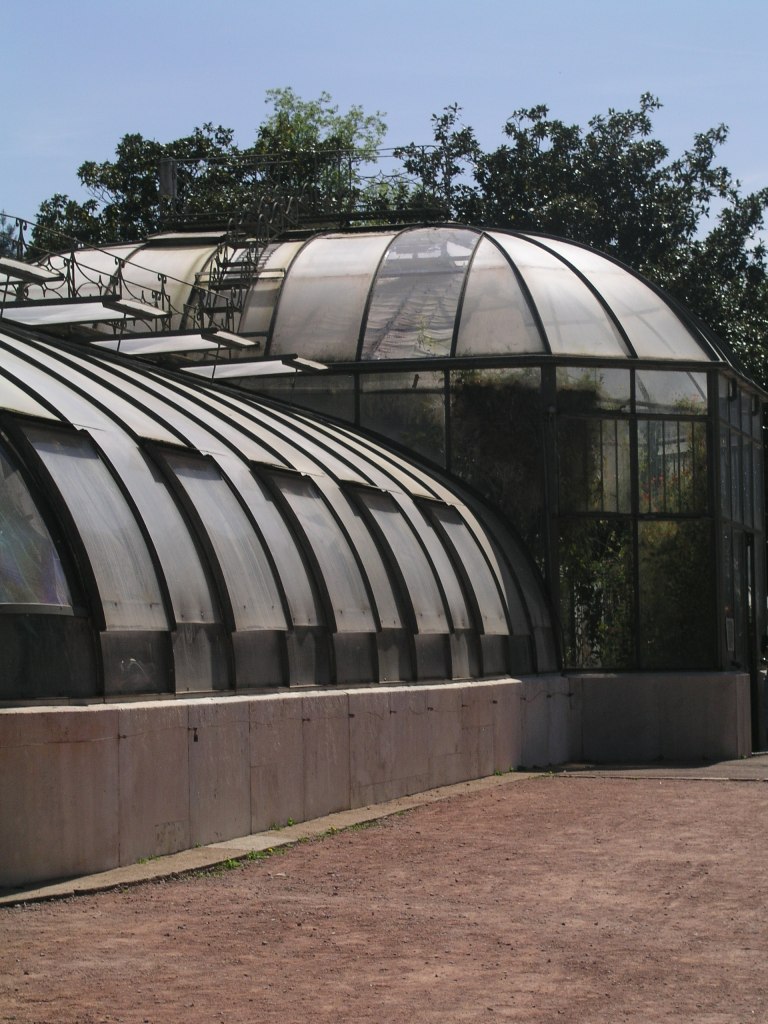
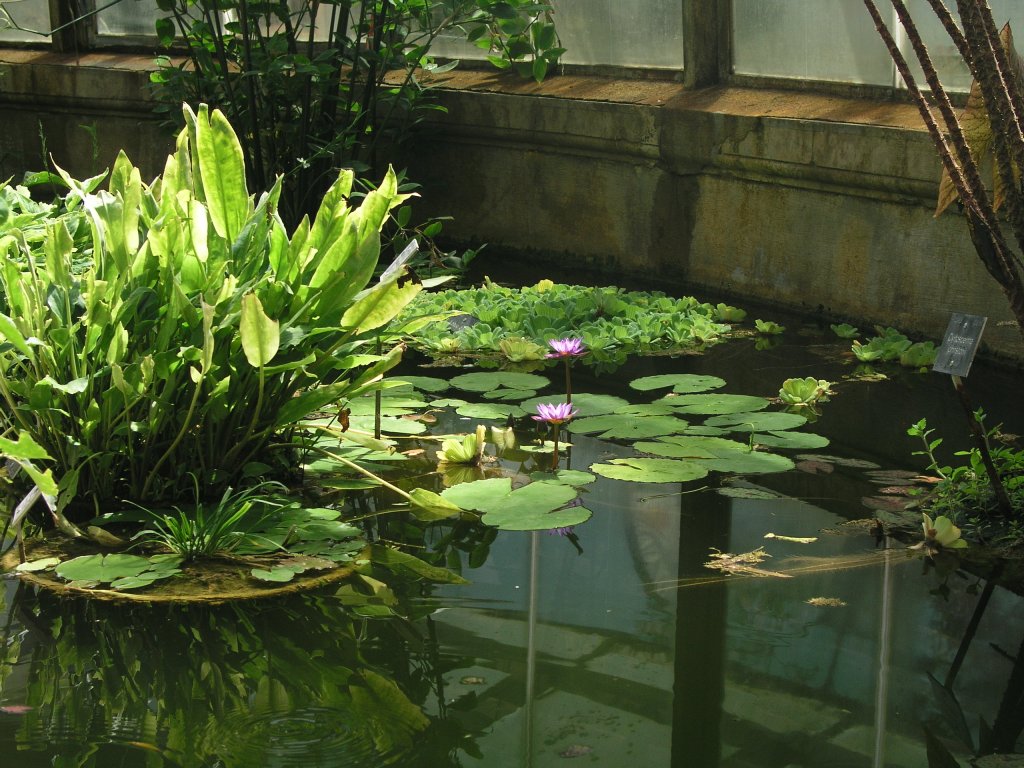
    One of the (many) attractions of the park is a section of botanical gardens. There are several very old greenhouses full of plants, and of course I explored them.

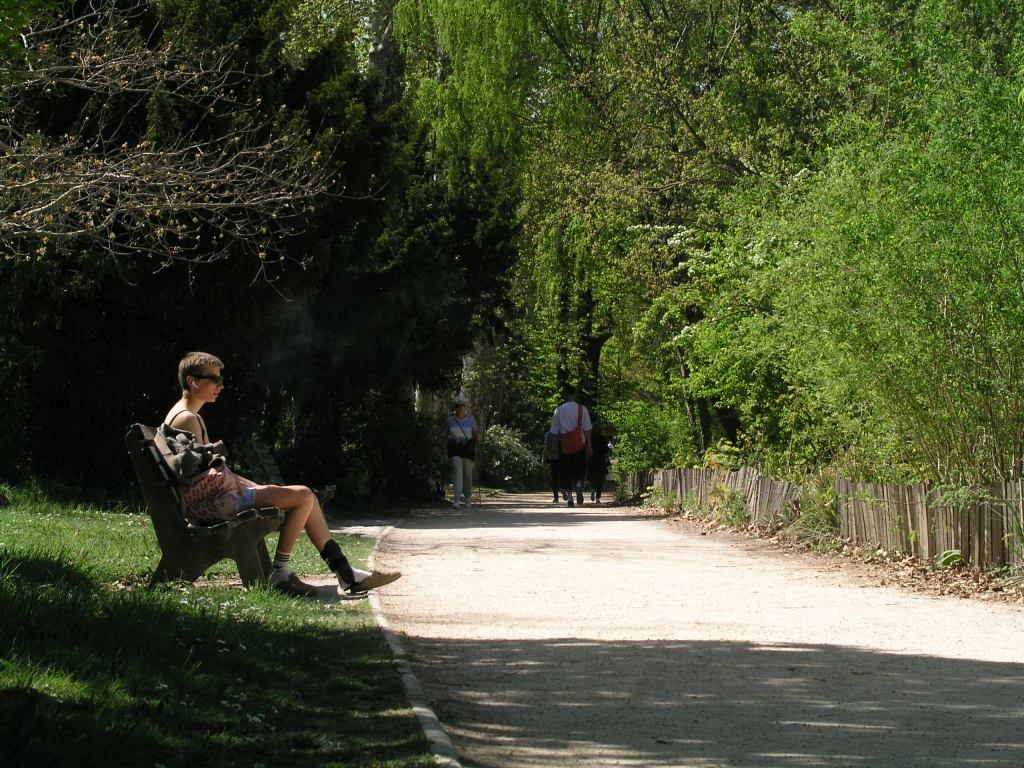
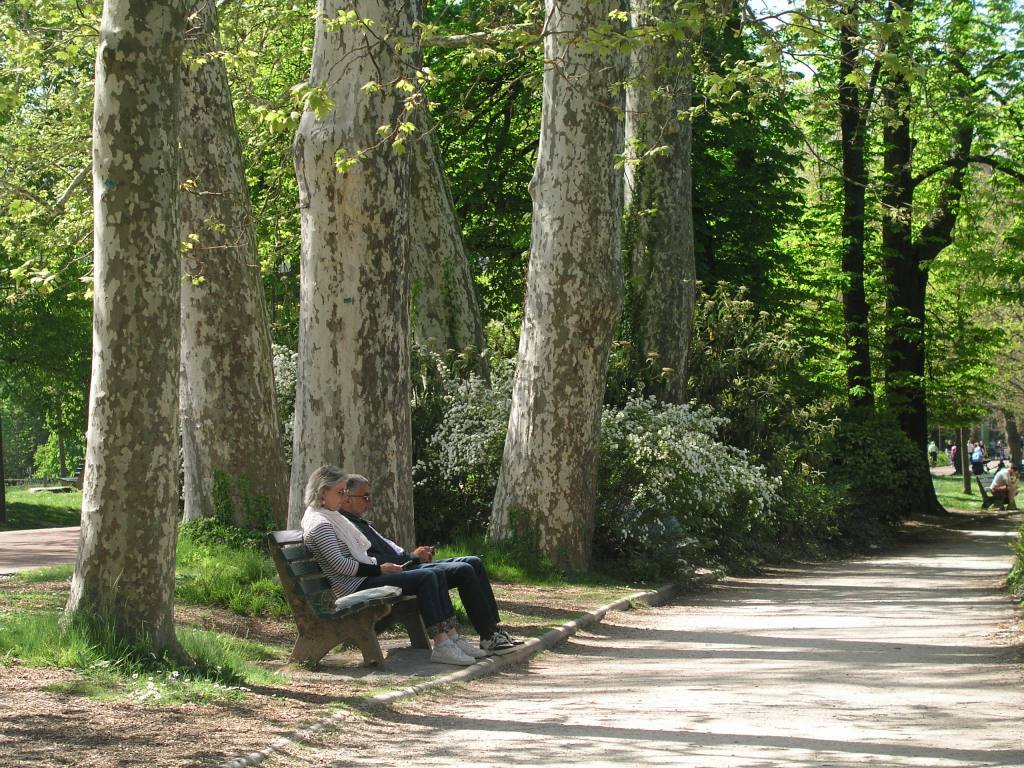
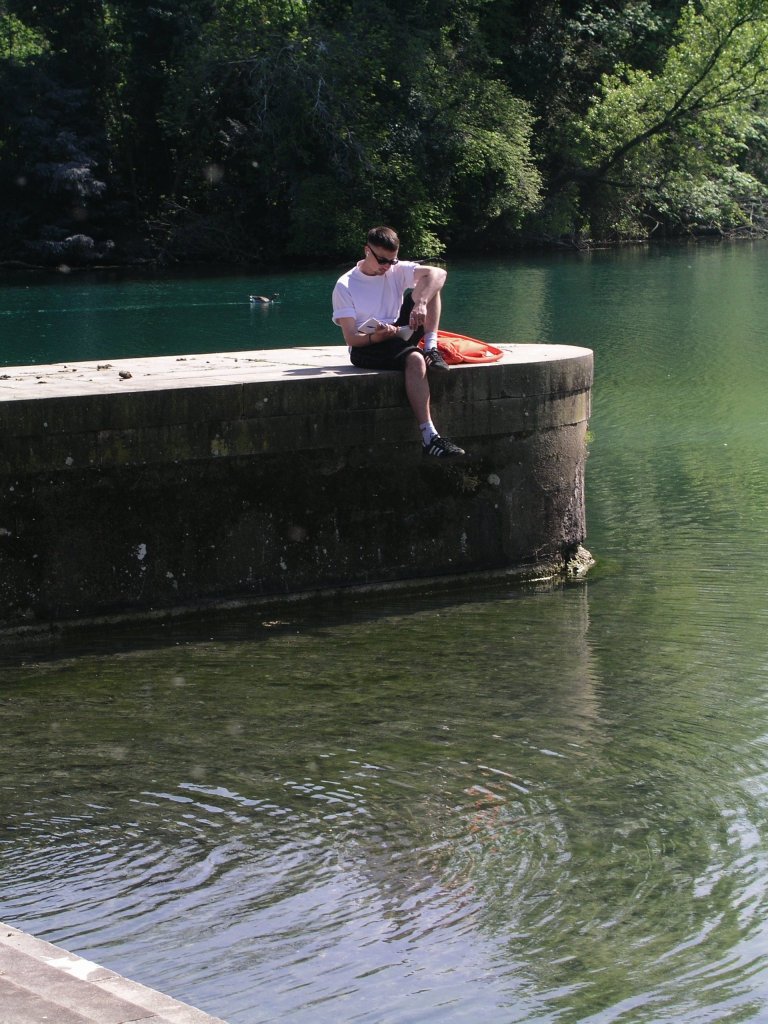
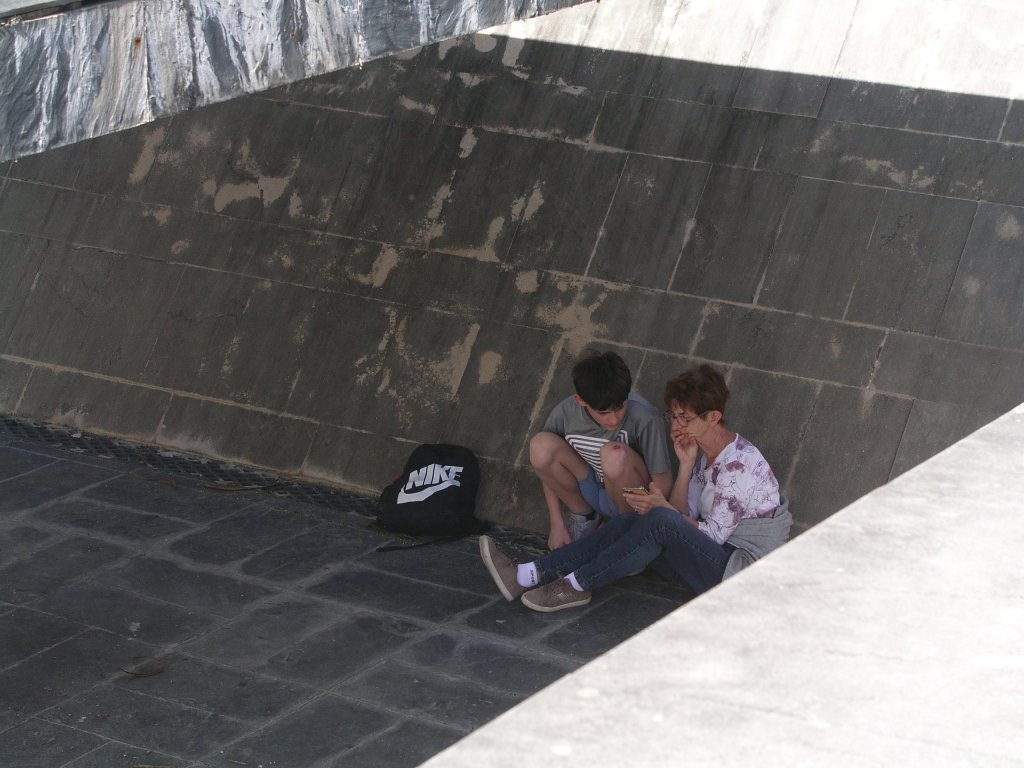
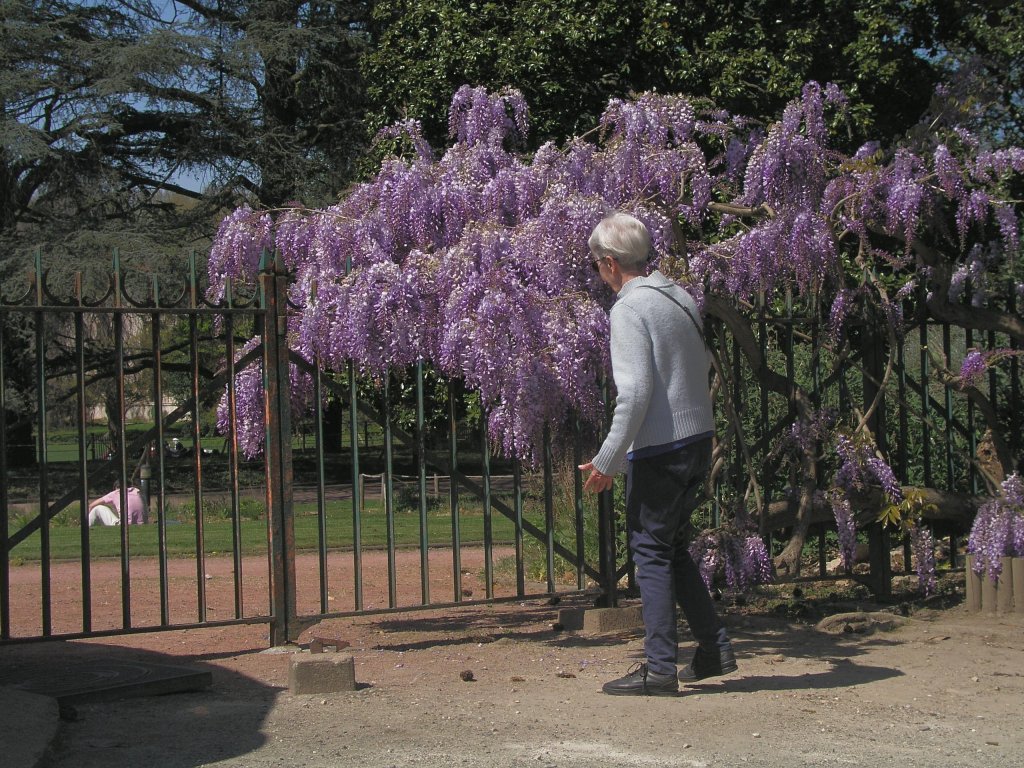
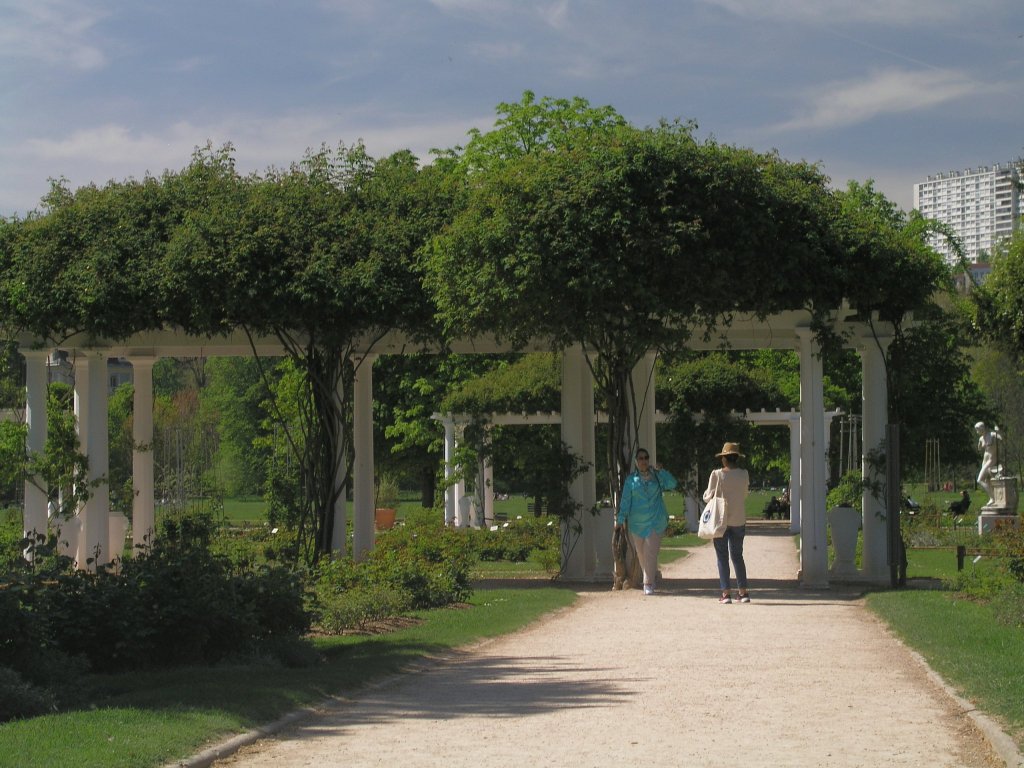
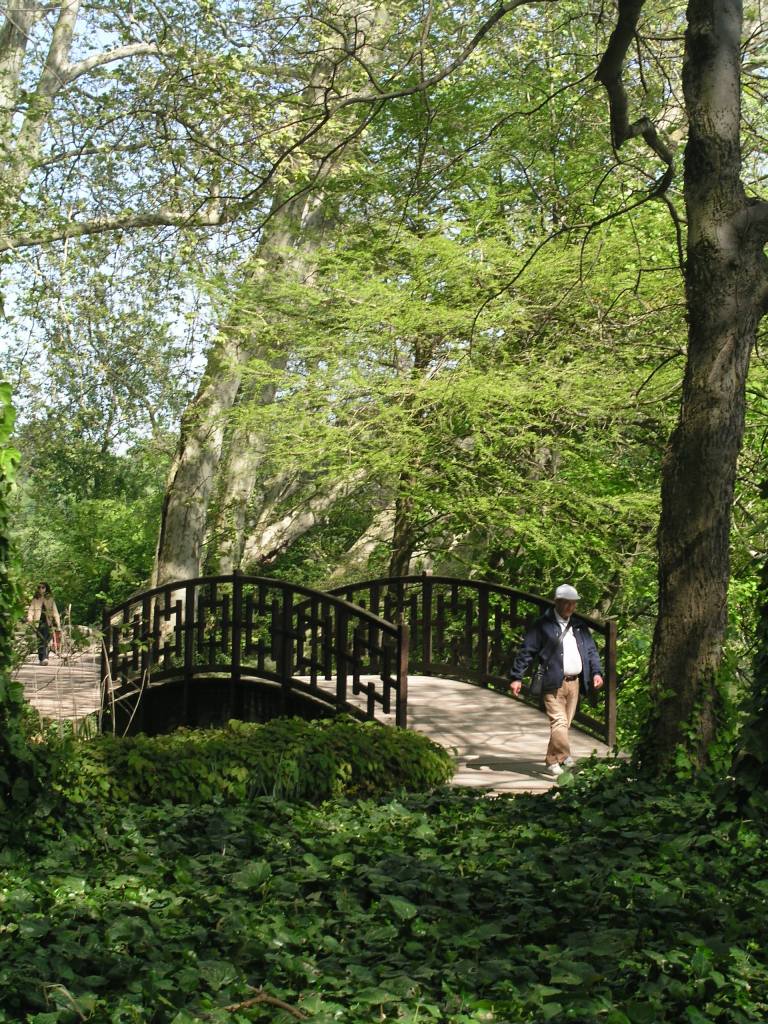
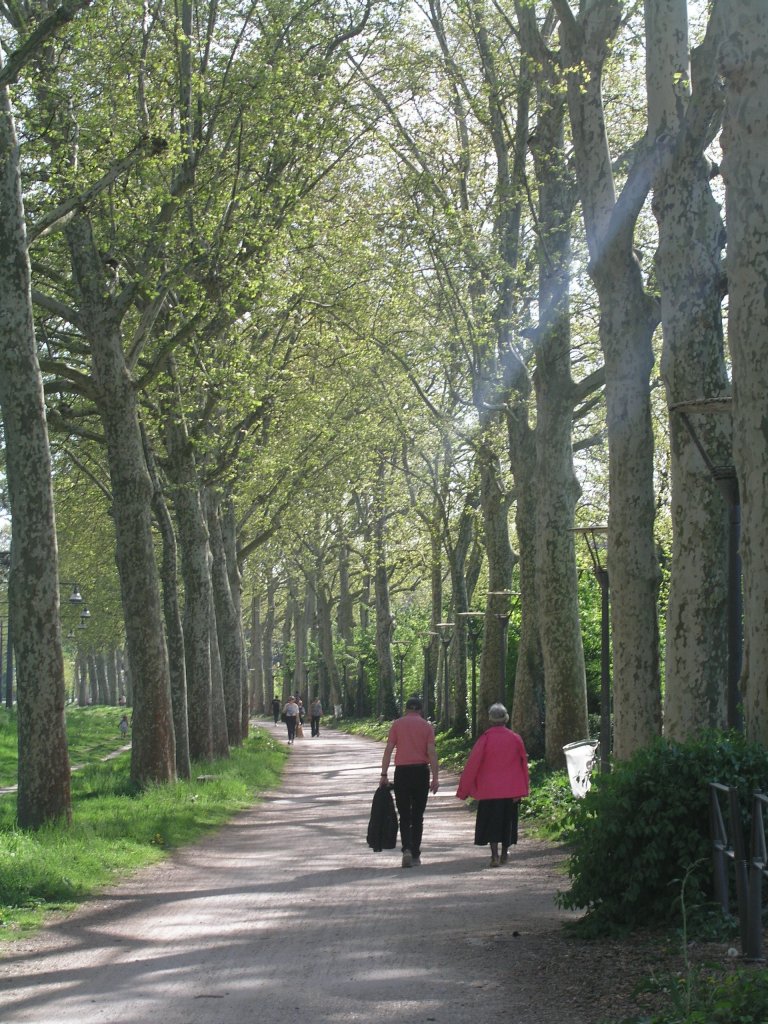
    The parc was full of people jogging, lounging, exploring. Many were locals, though I could tell some were tourists like myself. It seems a popular place – the largest parc in Lyon, and apparently today was pretty sunny compared to the last few days. Everyone was out!

    The greenhouses created some almost sci-fi shapes, which I enjoyed photographing.

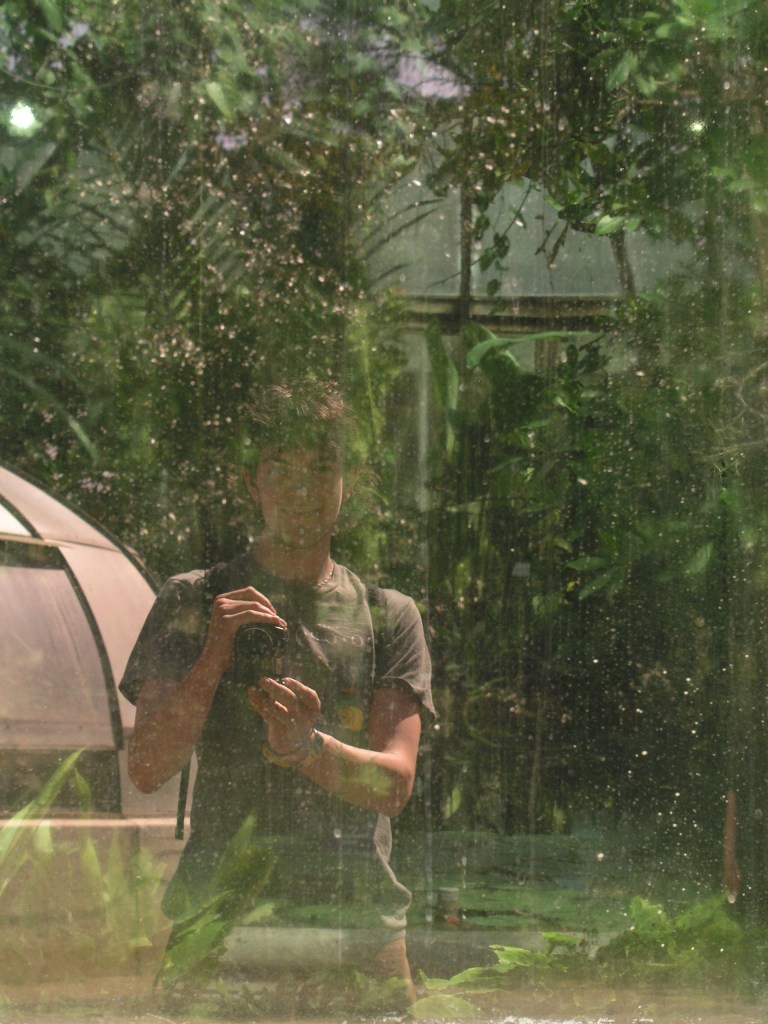
    While next to the one on the left, I also snapped a selfie in the reflection of the glass 🙂
    OLYMPUS C5050
    OLYMPUS DIGITAL CAMERA

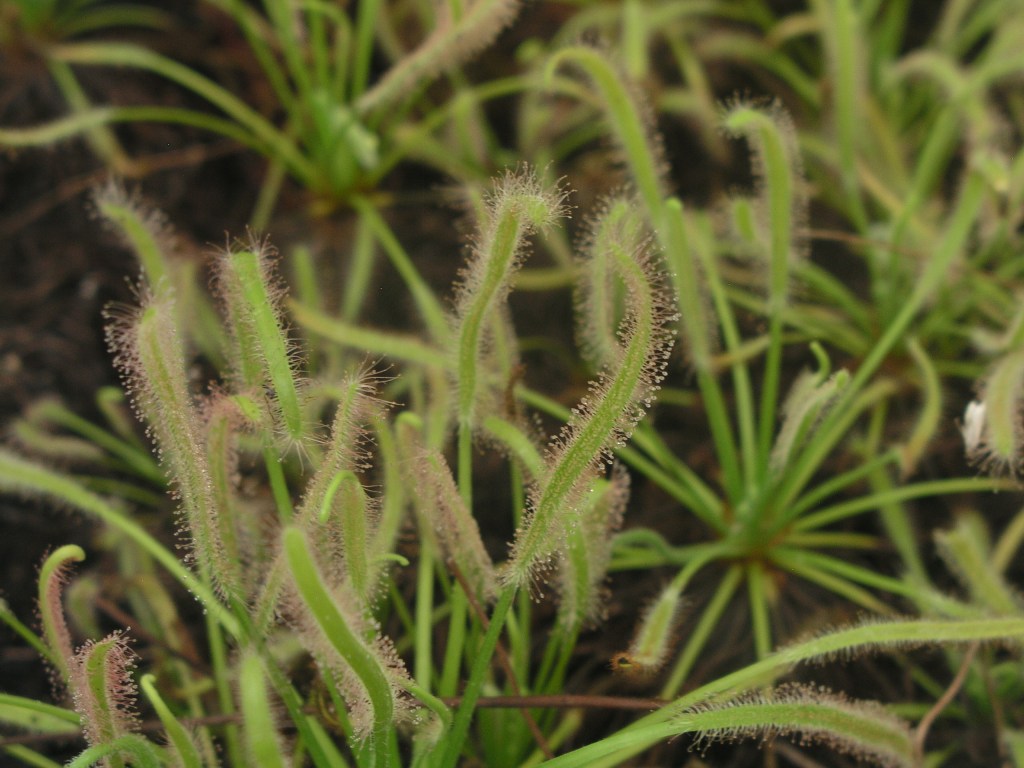
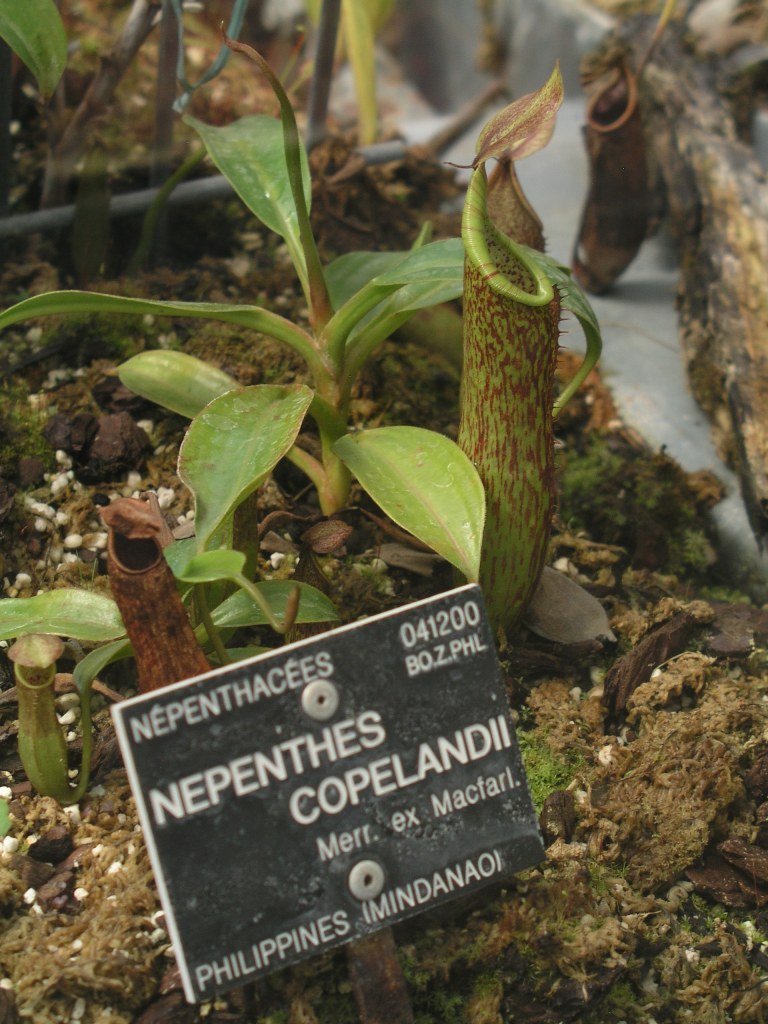
    One of the coolest greenhouses had carnivorous plants! Not a lot of Venus Flytraps, but a TON of other types. I was really into carnivorous plants for a while, so I recognized a lot of these.

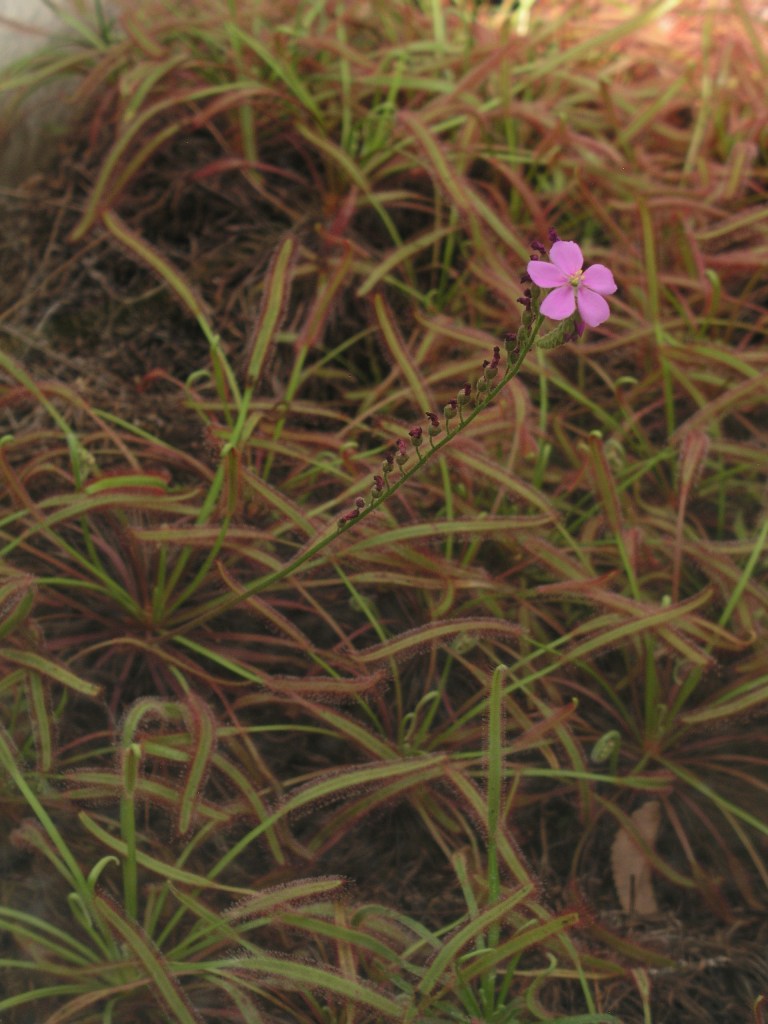
    Sundews like these have long slender leaves with little hairs on them. Each hair has a glob of sweet, sticky sap to attract and trap insects. Once trapped, the leaf slowly curls around the insect to digest it.

    When I had sundews, they tried to flower often! The flower must rise far above the plant, so as not to eat the pollinators 😛

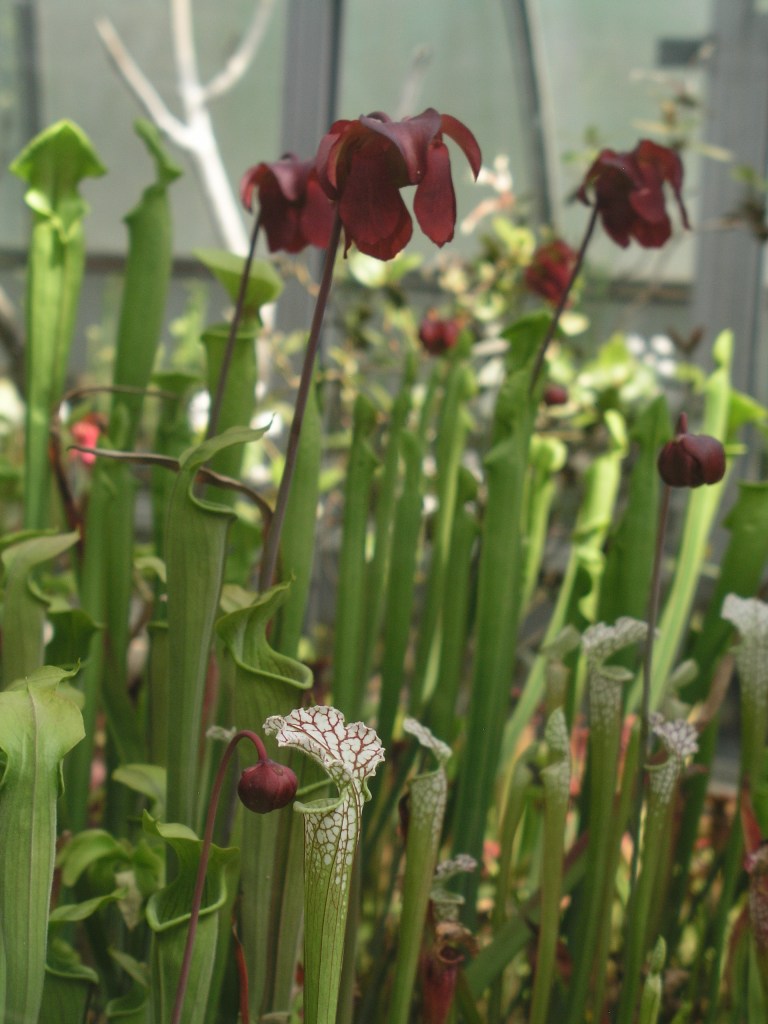
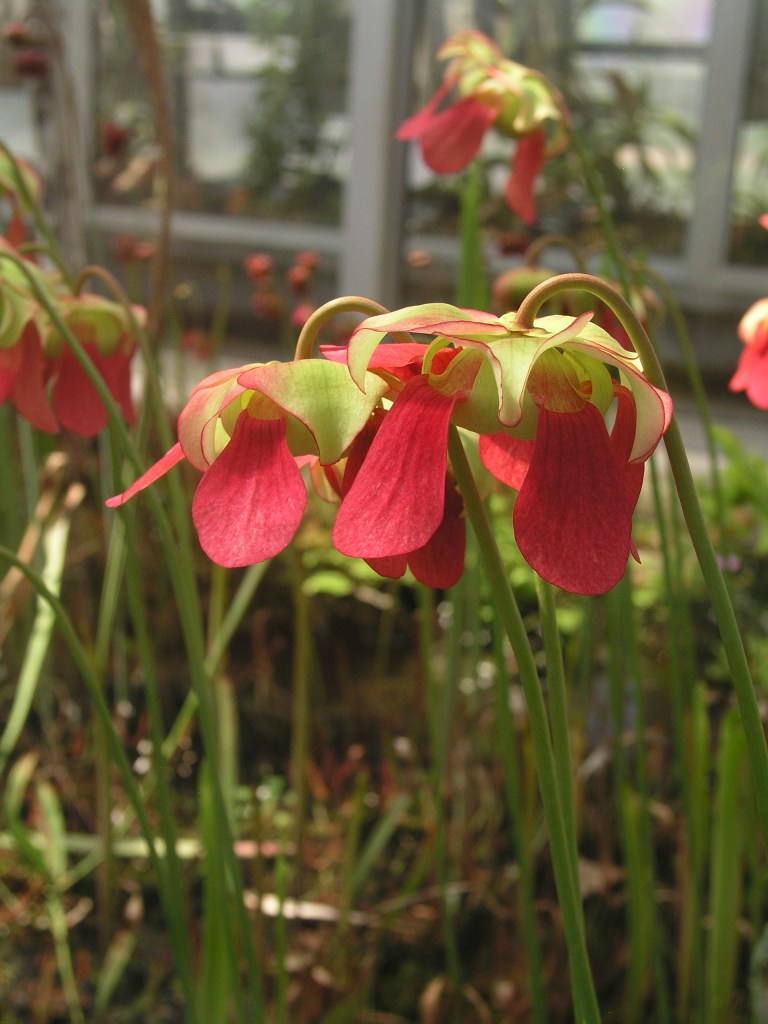
    Pitcher plants like this rely on their deep “pitchers” to catch prey and slowly digest them. The pitchers evolved to make it difficult to escape the slippery walls once an unwitting bug falls in.

    There are SO many different species, and this greenhouse had a lot!

    The pitcher plants took up most of this greenhouse, and their flowers were beautiful!

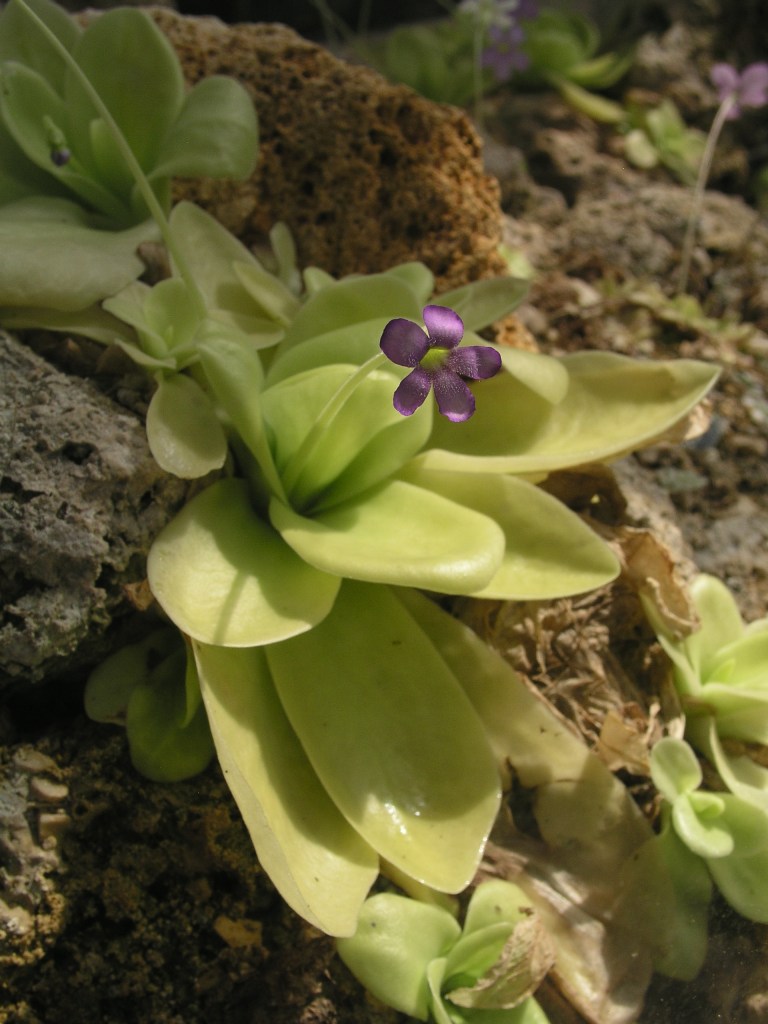
    Butterworts like these look harmless enough, but their wide flat leaves are like flypaper – sticky, sweet smelling, and hard to escape once landed on! They also tend to have pretty flowers.

    A few more pictures from the greenhouse:

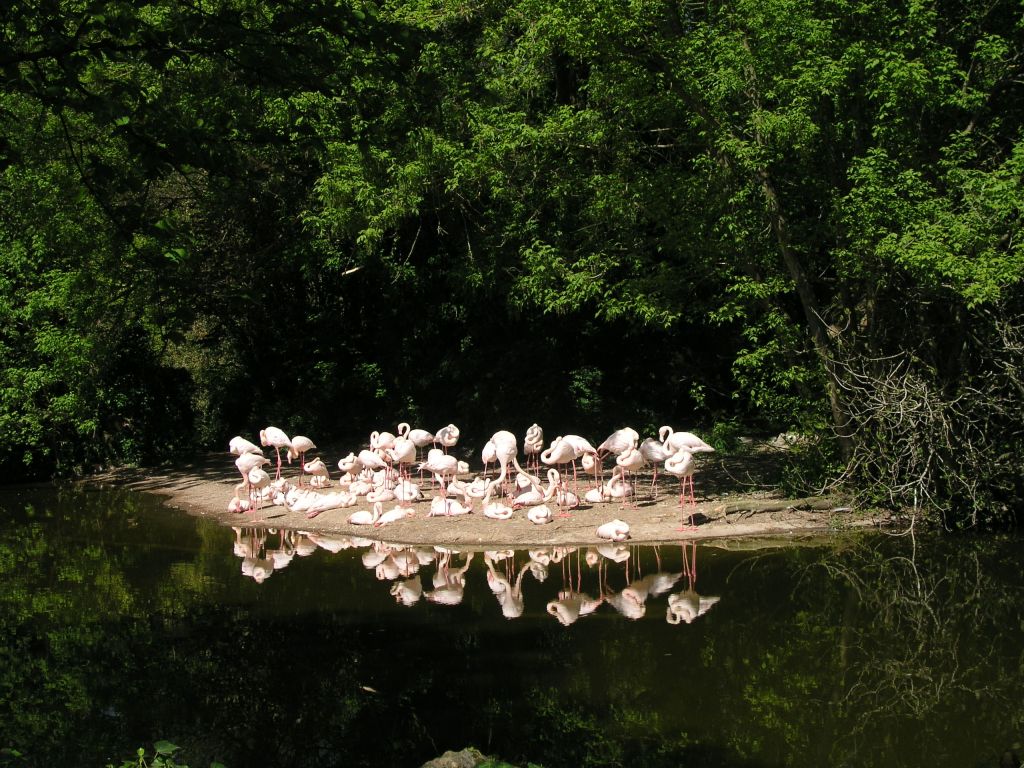
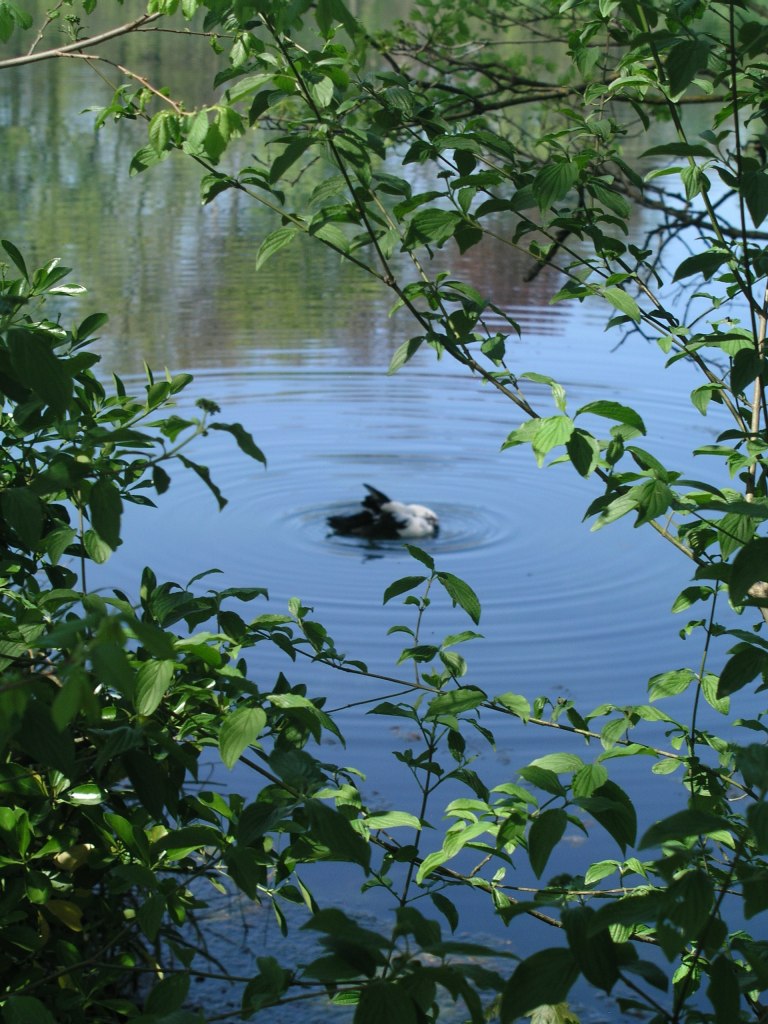
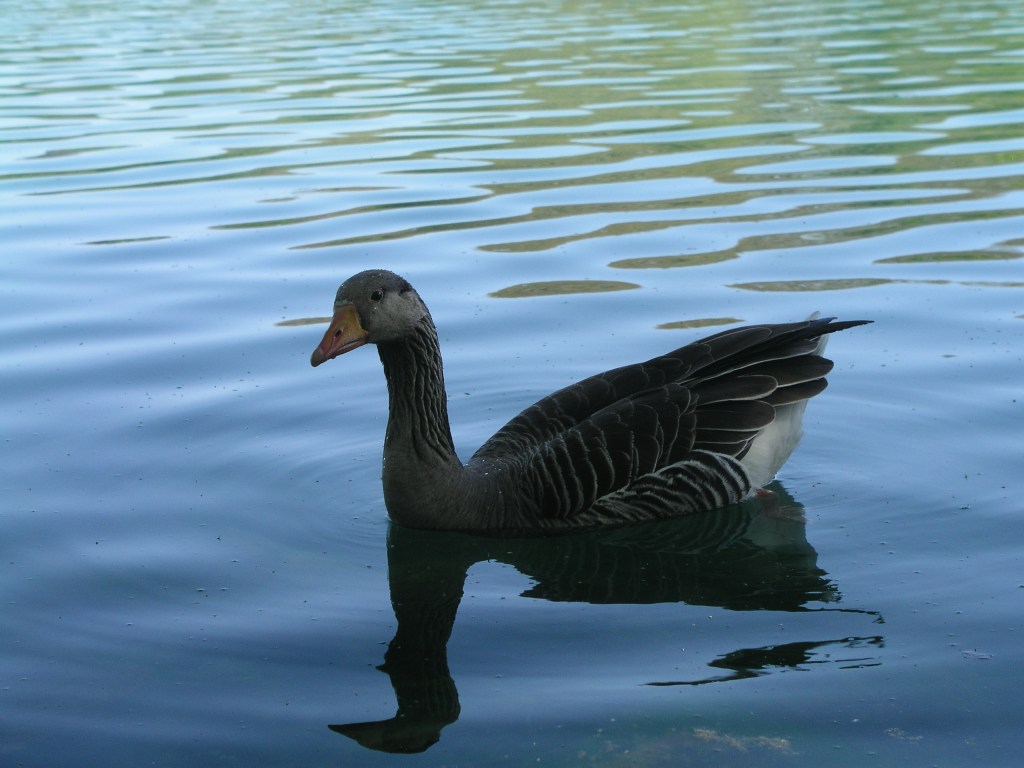
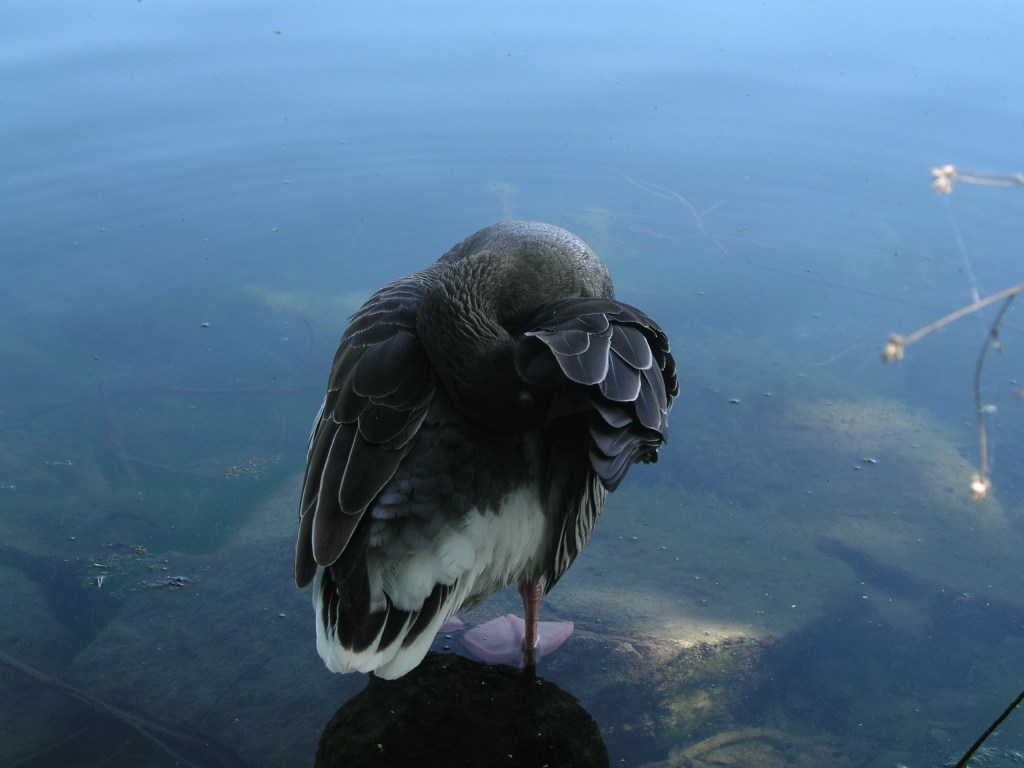
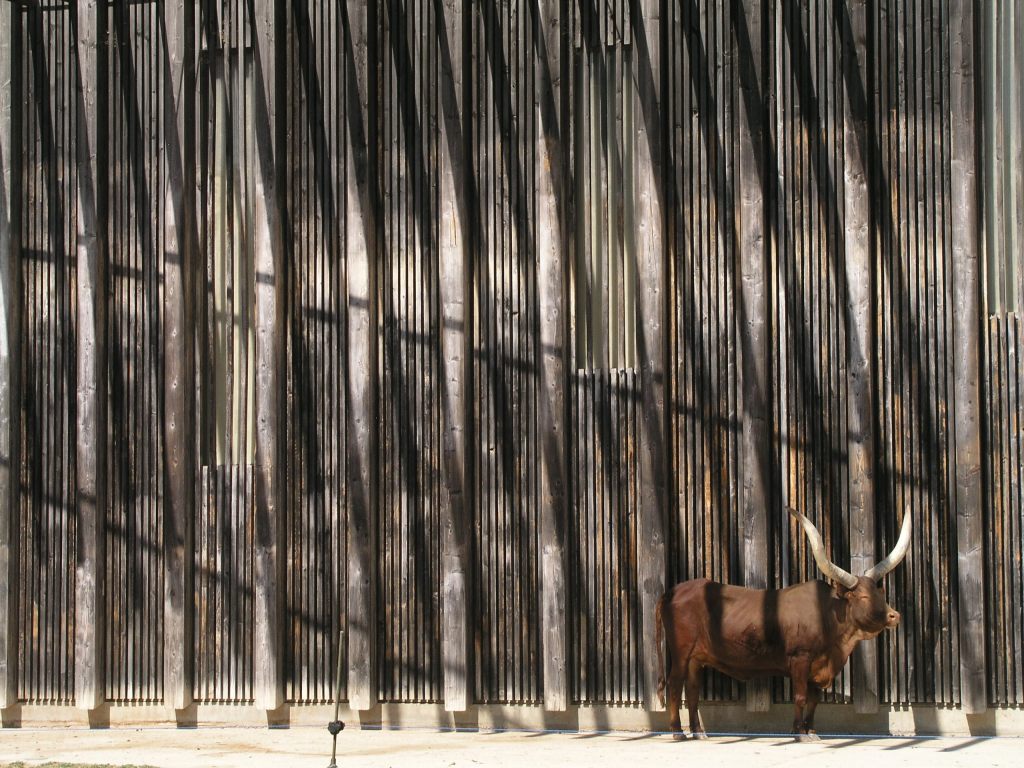
    The parc also had a free zoo! I didn’t walk through the zoo, but I did see a couple of zoo animals and a number of resident parc animals.

    OLYMPUS C5050

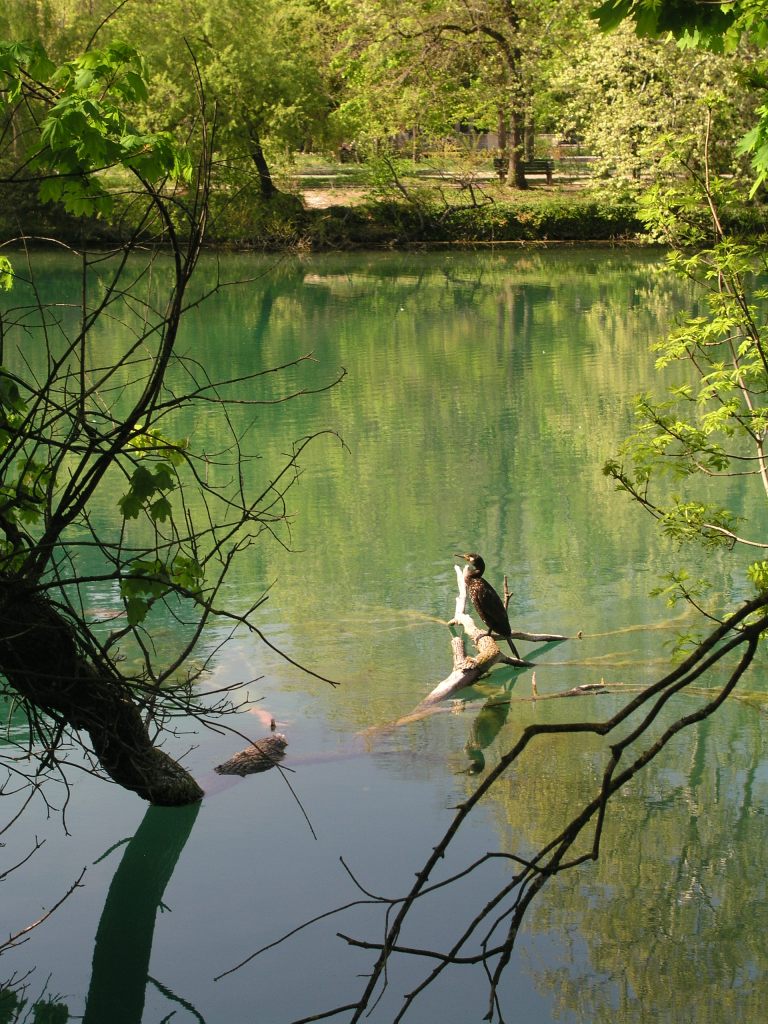
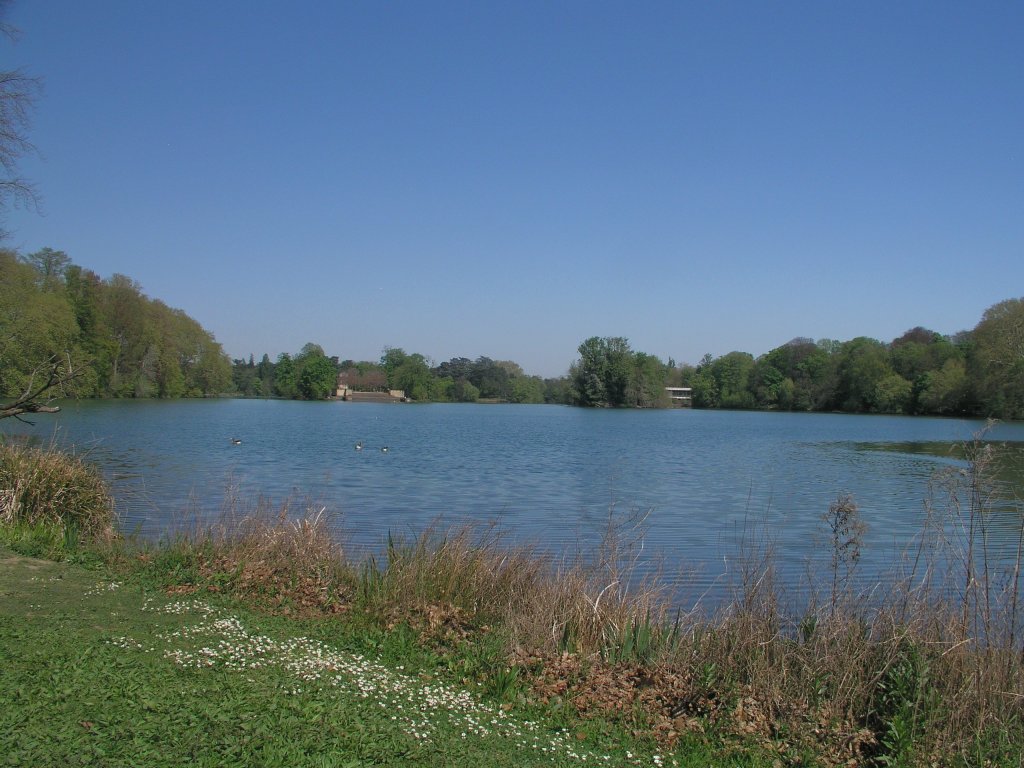
    As I continued to wander the parc, I discovered a large lake (well, I knew about it from Google Maps) in the middle of the parc. This is where I found most of the geese in the gallery above – but as I walked, I heard piano music and singing drifting across the lake (Zombie, by the Cranberries). I made my way around (eventually) and found a public piano with a crowd of people gathered around.

    I took a video – but be warned, this is a digital camera from 2003 – video technology on consumer digital cameras was . . . not great. The sound is fine, but it is actually 240P quality.

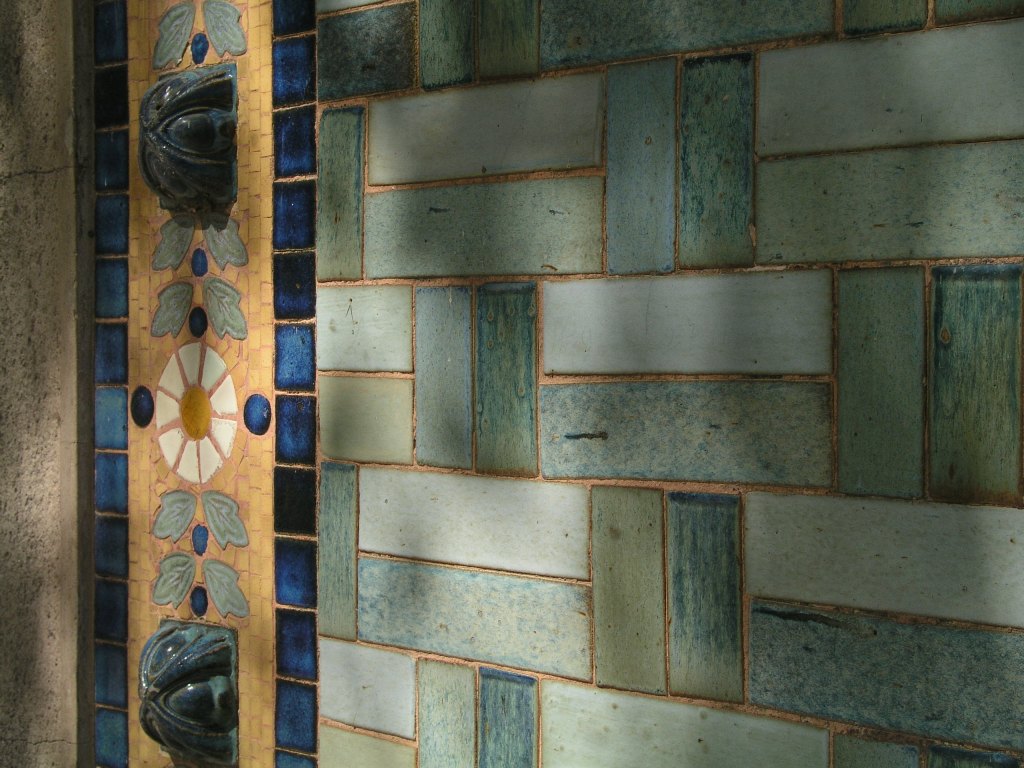
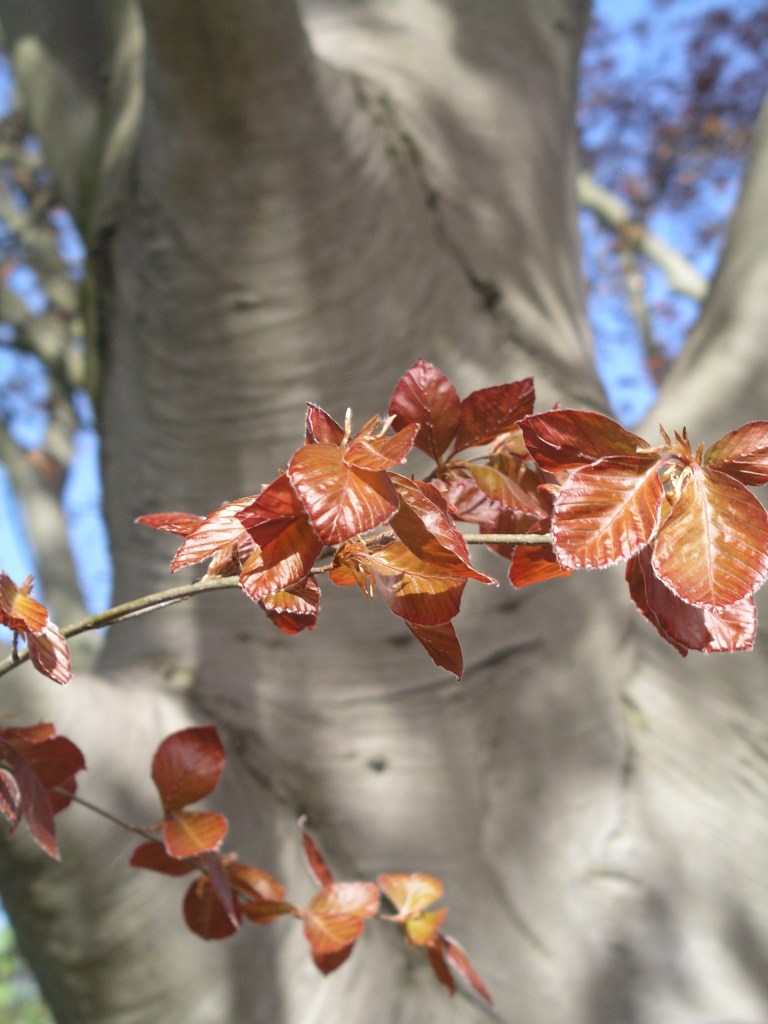
    Sometimes when I’m walking around a new area taking photos, I see things that I like more for the texture or color than the photo itself. Here’s a collection of these types of photos:

    Besides the main attractions, the park was also filled with various little structures – benches, wells, grounds houses, and more.

    OLYMPUS C5050

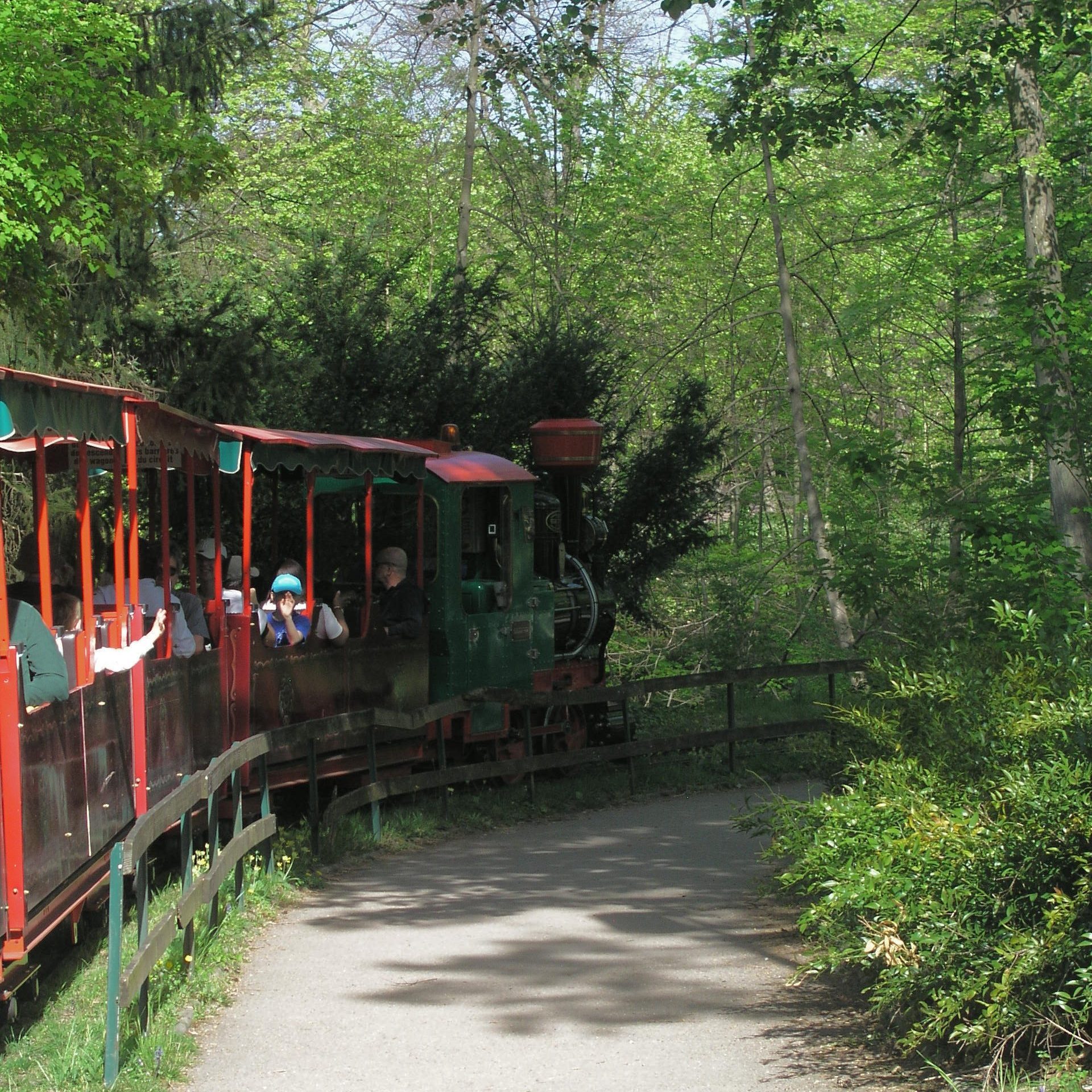
    There was even a mini train around part of the parc!

    I did not have time to explore the whole parc – by 5PM, I was able to check in to my AirBNB (I wanted a break from 16-person rooms), and I’d been walking since 11AM!

    A few more photos from the parc and my walk to the AirBNB.

    After resting and unpacking, I went back out for dinner (Tacos – but totally different than in the US, more like burritos with kebab/gyro filling) and went to a parc with a view over the city for sunset.

    Sorry Katerina and Felix, no mopeds in this post. This was before you sent me Moped money! Mopeds are way less common in Lyon than they were in Barcelona, but I’m sure I’ll find one to rent before the 19th. I did try the rental bikes in Lyon though, and they seem to be the fastest way for short distances (besides a car, if you can find parking, maybe).

    That’s all for now! Posts for 4/12 to come 🙂 I may not make a post for today, if there isn’t much to see – after the train, I plan to be lazy in my Airbnb in Lille for the rest of the day and go to bed early.