A few nights ago I was watching a video on basic macro photography tips for good bug photos. Today I decided to go try them out!
The video was pretty simple overall – you need a macro lens (or an extension tube), a camera (of course), and a flash diffuser. All I have is the camera and a lens with a “macro” mode – not as good as a dedicated macro, but still acceptable.
The entire setup. A less floppy diffuser would be nice.
For the diffuser, I cut a hole in a piece of printer paper and stuck it over the lens. It works pretty well!
Look at those wings!
Weirdly, about half the bugs I approached flew away instantly. No idea why…
Bug’s Eye View of the Average Macro PhotographerA caterpillar! I wonder what the long hairs are for…
Walking around the yard peering into tall grass and plants looking for bugs, I felt like a Bug Catcher from Pokemon…
To be fair, this is probably the closest I’ll get to experiencing what it’s like to document Pokemon using a Pokedex.
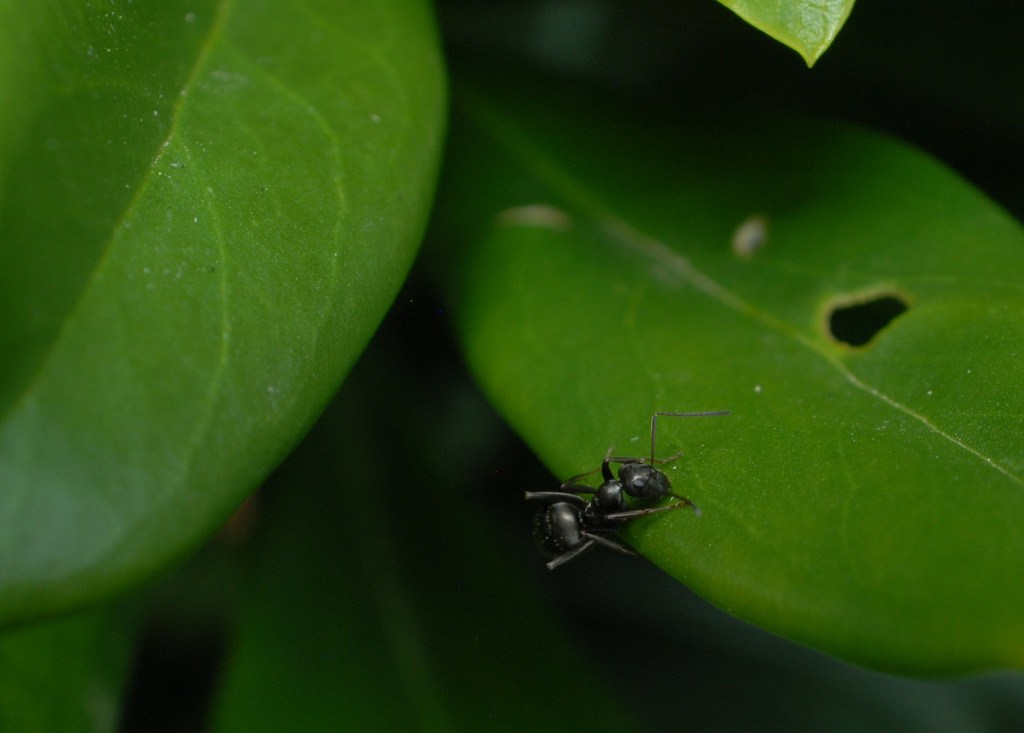
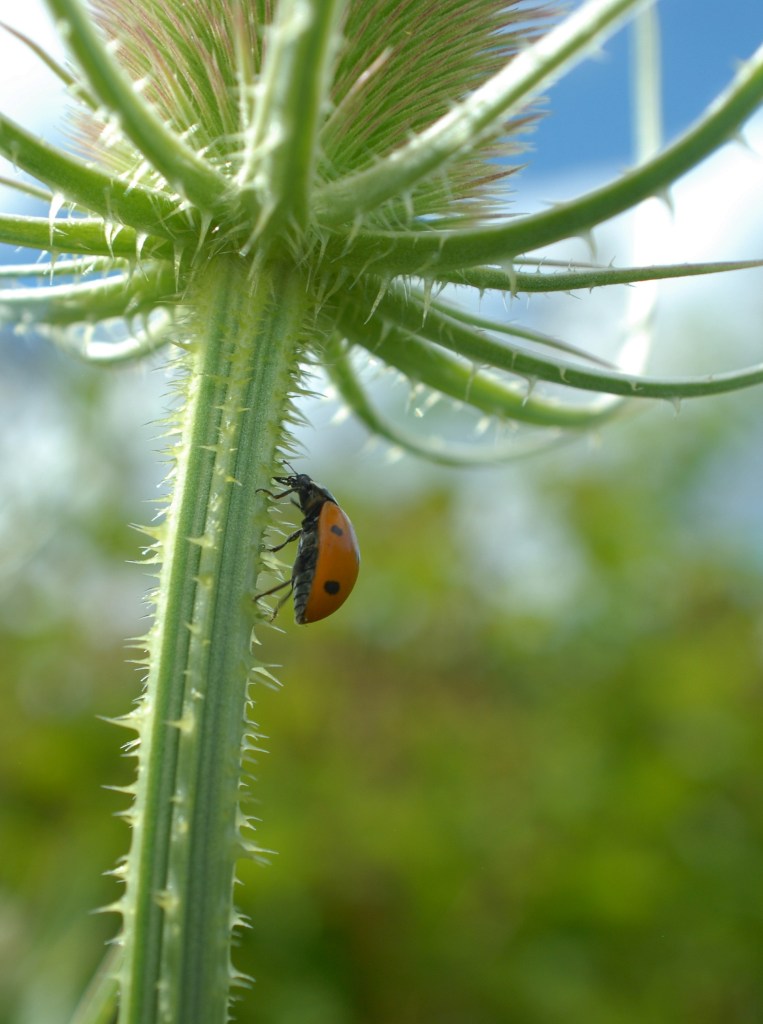
Eugh. This isn’t actually a spider! It’s from the order Opiliones, which are arachnids, but not spiders. It’s also commonly known as a Daddy Long Legs, or Harvestmen. This one had a golden iridescent sheen to it – probably something about the structure of its scales refracts/reflects just the right wavelengths of light. I didn’t get a single crisp Bumblebee photo – they were always moving around, even when sipping nectar from these blackberry flowers.An ant thing. This was larger than a common black ant. This one posed for me! When I got close, it switched positions a couple of times as if trying to let me get several angles. No idea what this little dude is, but he has cool patterns on him.Another view of this ladybug.Ladybug isn’t bothered by how evil this plant looks.She crawls right up the spikes.Oh, bye!
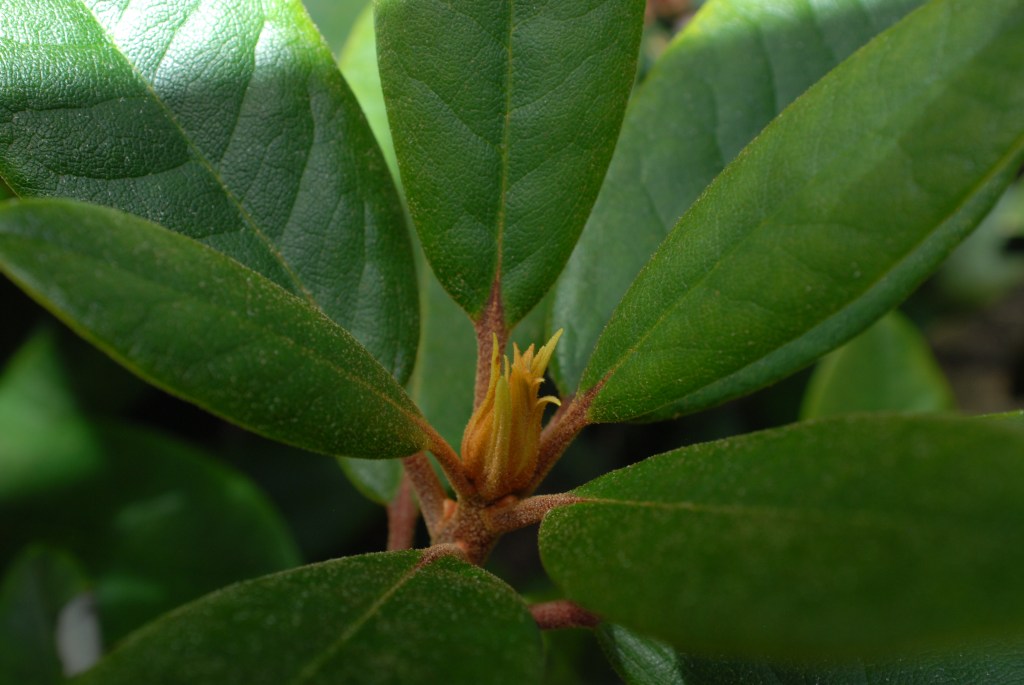
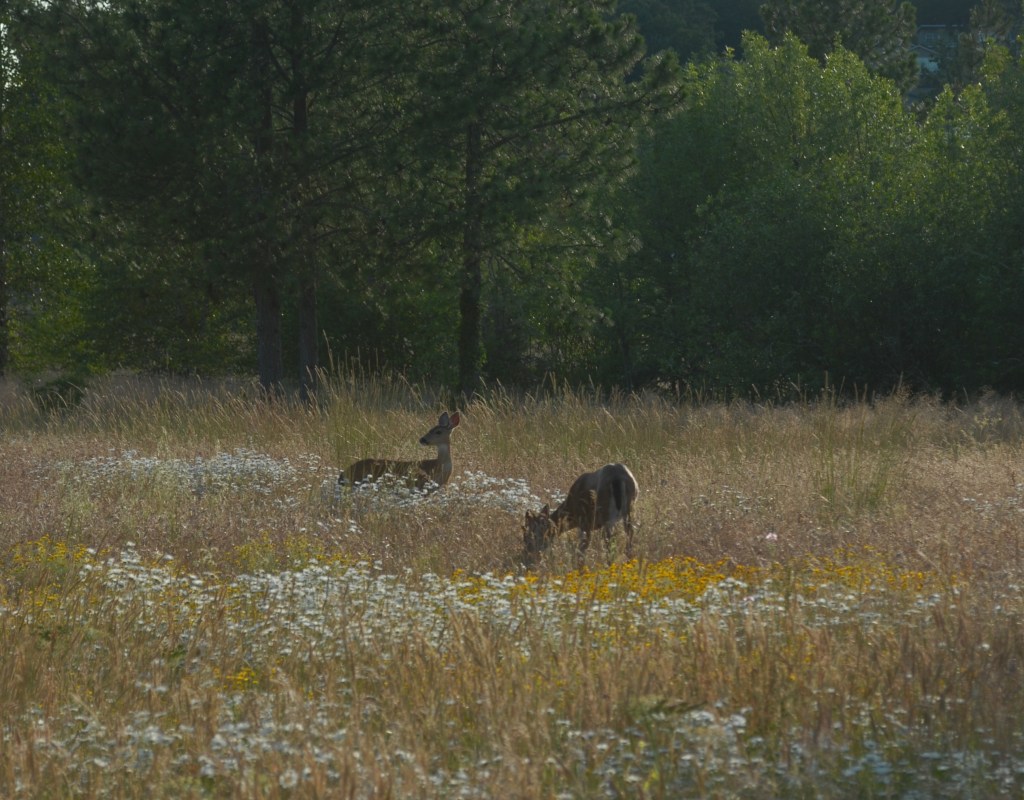
I also got a few nice non-bug shots:
Maybe next I’ll try 3D printing an extension tube to let me use this lens for better macro shots (or one of my other lenses).
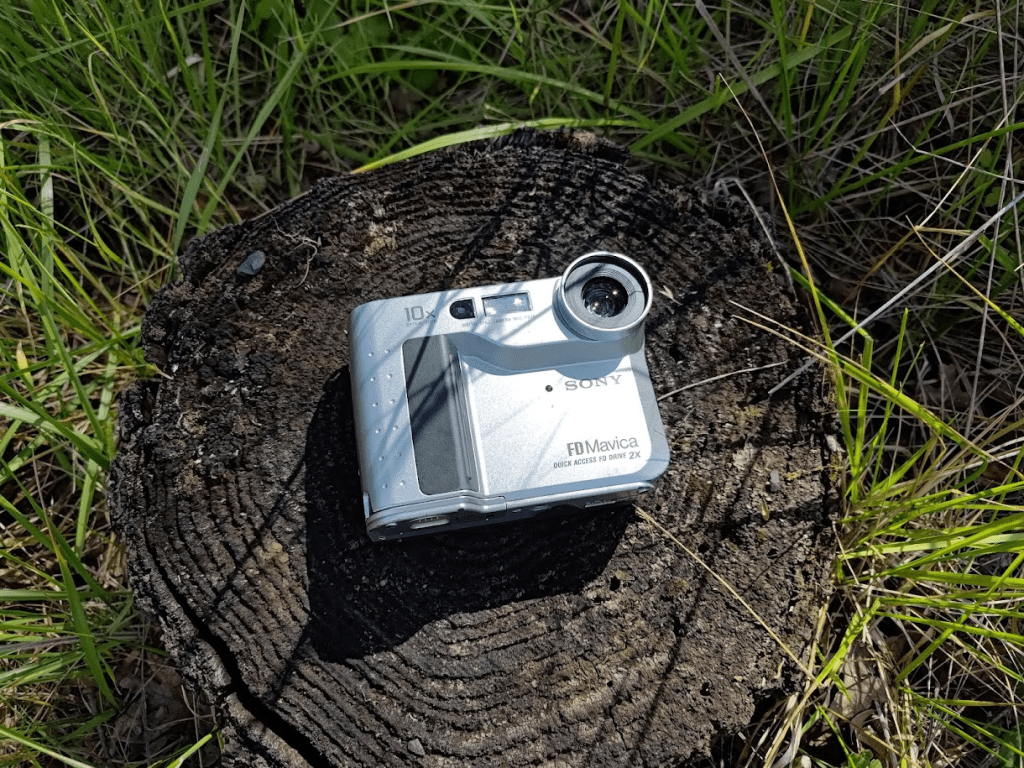
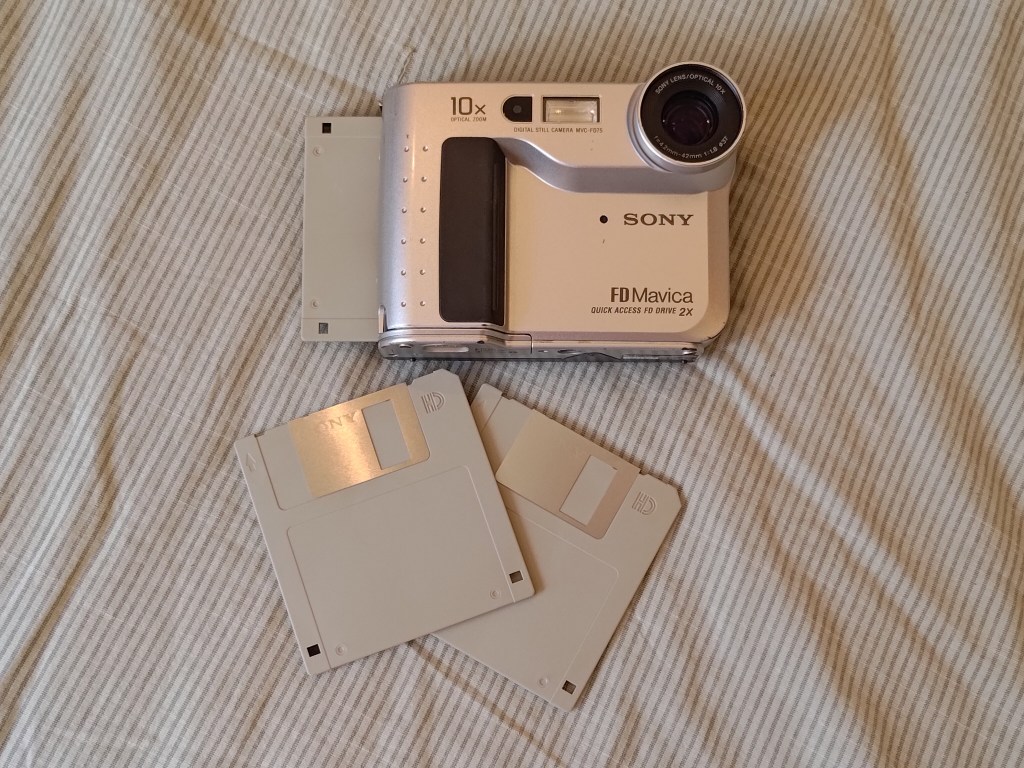
I’ve been into “vintage” digital cameras for a while (vintage meaning roughly pre-2008, at least for most electronics). This is the camera that sparked my interest in the first place: a Sony Mavica FD75 that I found for $15 at a local thrift store.
From 2001, this oddly-shaped camera is a product of the early era of digital cameras, when the much-smaller digital sensors (compared to film) meant designers could experiment with new form factors – in this case, putting the lens/sensor in the top corner of the camera body.
The unique thing about this camera though isn’t how it looks – it’s how it stores photos. This camera has a floppy drive built in, and it takes regular old 3.5″ floppy disks. This seems odd, but was actually a really good move for Sony. Flash memory was expensive and new, and required dedicated readers, which made the already high barrier to digital photography higher. But almost everyone had a floppy drive on their home computer, and dozens of floppy disks lying around.
Each floppy disk holds 1.44MB of data, which translates to about 17 photos in the high-quality setting, probably about 20-24 in normal quality – pretty comparable to film, which held about 24-36 shots per roll.
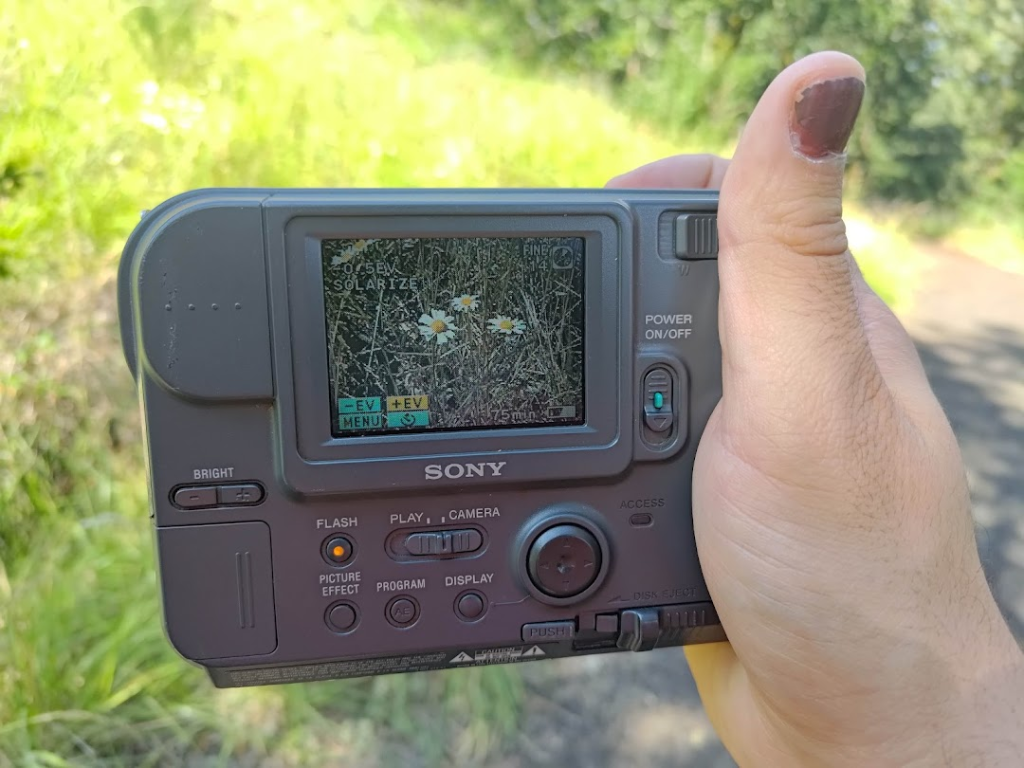
I like using this camera a lot – it has fun little sounds, lots of buttons on the back, and it feels tactile to use in a way shooting with a smartphone doesn’t. The bloops and beeps it makes (characteristic of these early 2000’s Sony cameras) makes taking pictures almost feel like a game. Each picture takes a few seconds to save, accompanied by a little animation on-screen while the internal drive grinds and clunks as it writes the data.
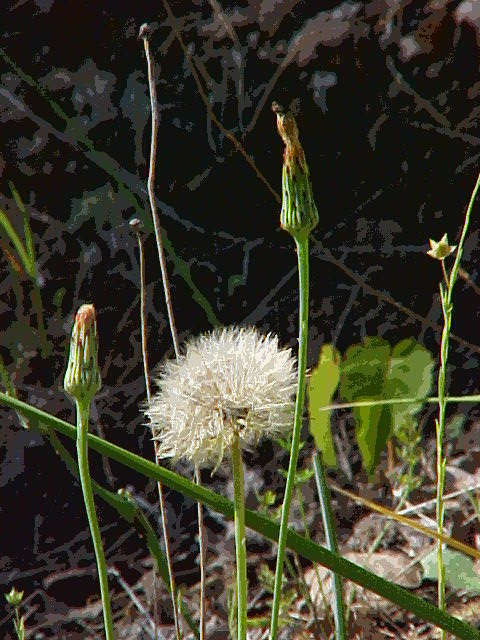
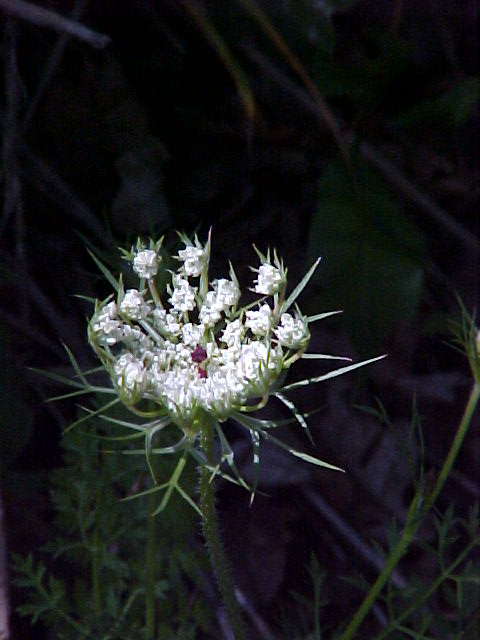
So – how do the photos look? Well, to cut down on cost, they used a sensor that only supports a resolution of 640×480 pixels. To be fair, that’s standard resolution, and most computer monitors’ maximum back in 2001. Nowadays though, they look pretty pixelated.
Marys Peak.
Depending on what size screen you’re looking at these on, they might actually look fine – especially if you’re viewing this page on a smartphone.
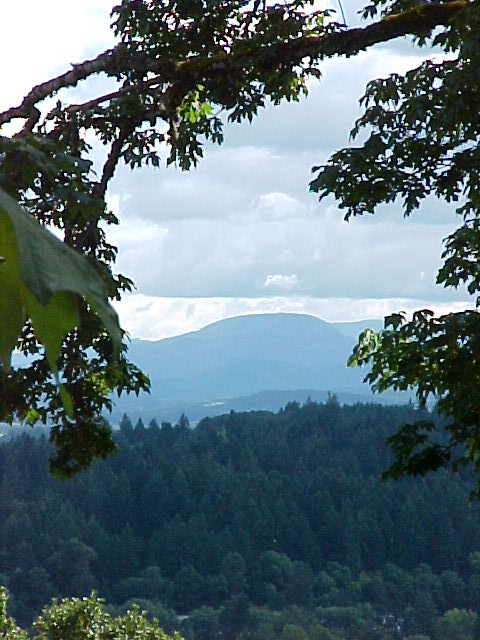
The view from Chip Ross Park.
The camera has a couple of picture modes – the photo above was taken in “Solarize” – which simplifies the color palette to fewer colors, like computers from the 80’s and early 90’s sometimes were.
Another photo taken with the solarize effect.
Despite the tiny sensor size and minimal dynamic range, I managed to get some decent photos.
The 10x optical zoom makes this camera a lot more versatile than it otherwise would be, and it’s surprisingly decent at focusing.
This photo was taken at 10x zoom. It’s hard sometimes to tell if it didn’t focus, or if the photo is just so low-quality that it’s that blurry.
This photo shows something really interesting – notice the diamond shaped bokeh (the blurs of light in the background) – this indicates that the aperture in the lens (the hole that varies in size to let in more or less light) is a square shape (or diamond if you wish) – another cost-cutting measure. This would usually be pretty undesirable, but I really like the effect here. Portraits with this would be fun.
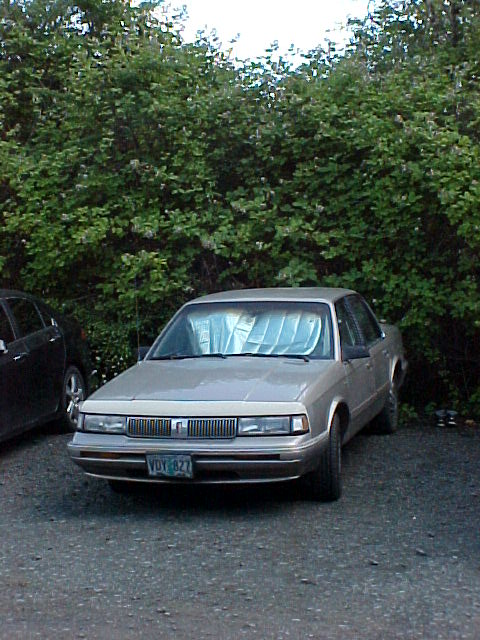
This car would have been much newer when this camera first came out.Another view of Marys Peak, the tallest peak in the Oregon Coastal Range.Despite the fuzziness, this camera actually does really well with exposure, white balance, and colors.
Believe it or not, this is actually not the worst digital camera I’ve used! That award would go to the GameBoy Camera. It isn’t even the second worst! That’s a tiny old Vivitar camera that was just awful.
Chatímanwi, or Mary’s Peak, is the tallest peak in the Oregon Coastal Range.It’s about a 45 minute drive from home, and has beautiful views and flowers in the spring.
In the middle of moving, I somehow still found time to buy another camera . . . To be fair to myself, I’ve pared my collection from about 30 to only 8 I plan to keep, so I’m doing good.
The limitations of my compact “prosumer” digital cameras (dynamic range, small sensor size) had me wanting to upgrade to a DSLR, so when I found this Nikon D200 (A high-end APS-C sensor camera from 2008), I jumped at the opportunity to snatch it, batteries, and a lens for $77.
The white spot at the upper right is lens flare – you can’t see the sun in the photo, but light from it is causing this artifact on the image.
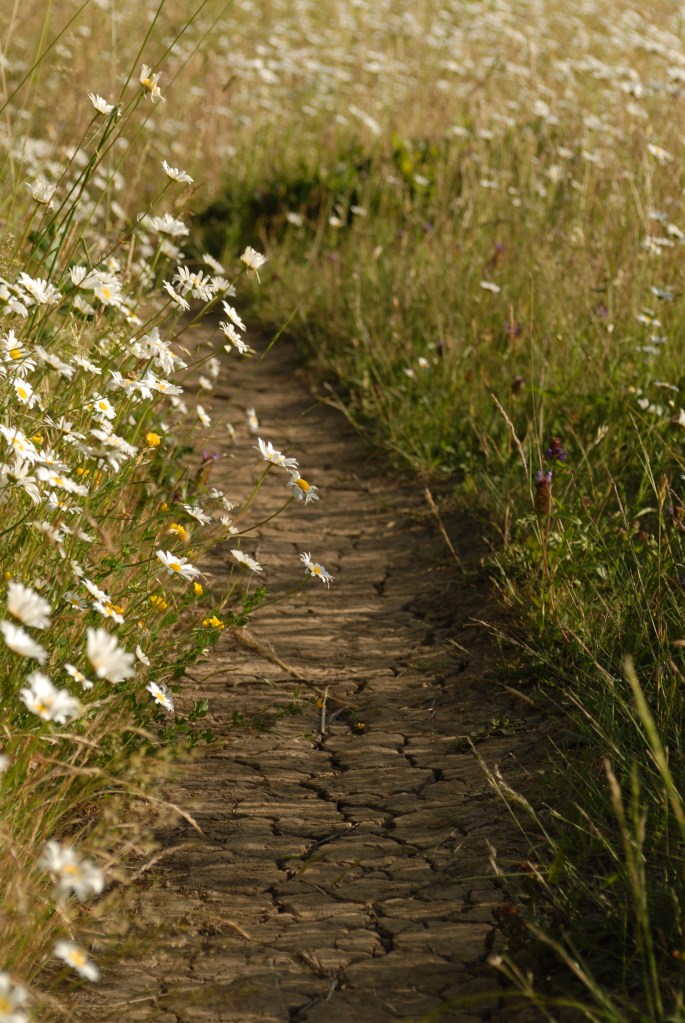
Today I needed a break from working on moving plans. So I took the D200 out to the Mary’s River natural area, a seasonal wetland about 15 minutes from where I live.
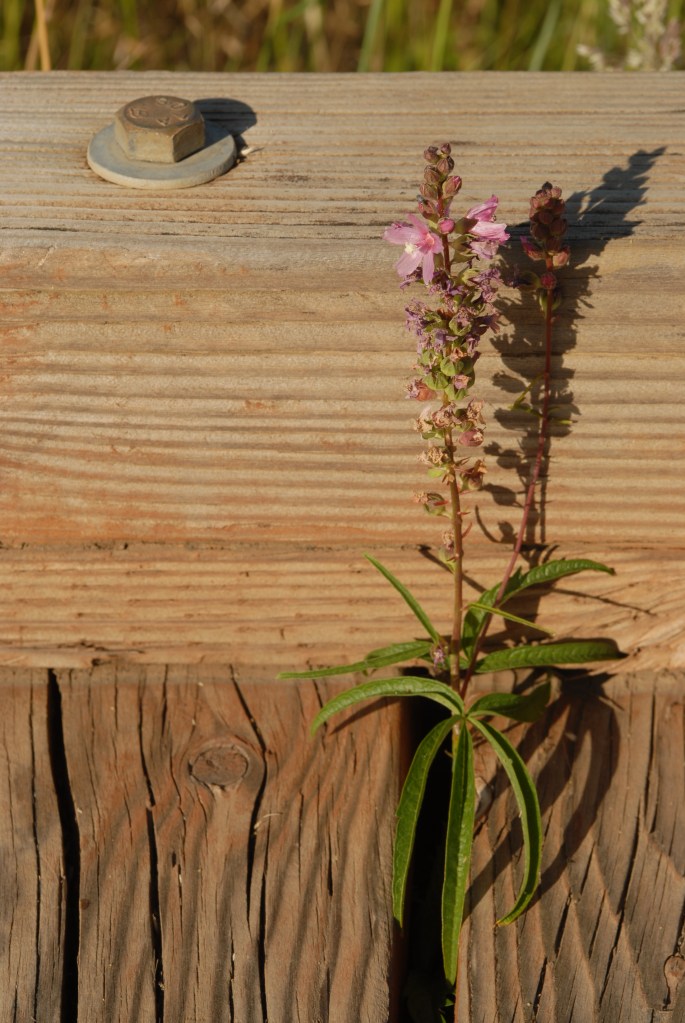
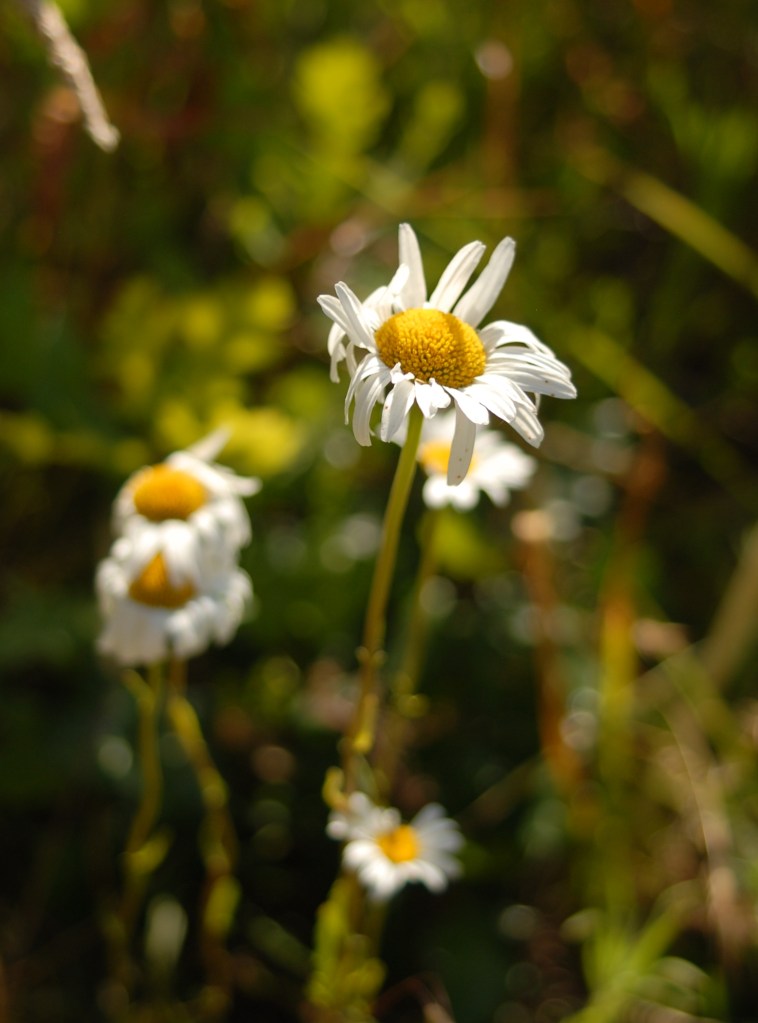
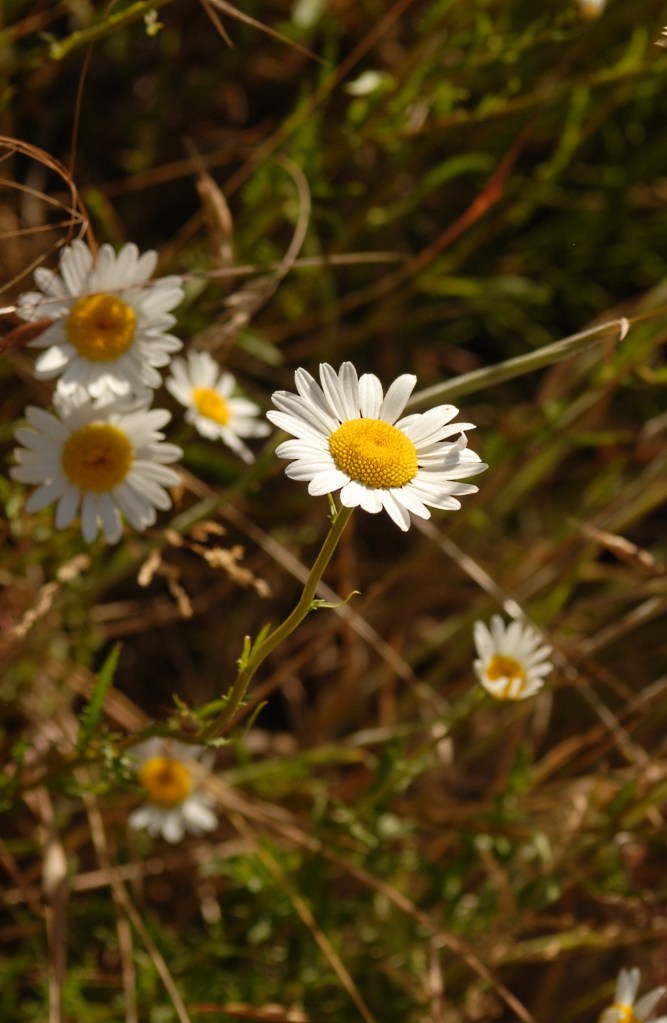
One advantage of the larger sensor (about 6x larger than my other cameras) is the bokeh–or background blur–I can achieve with it. However, I have to be more careful of focus. Here, you can see the flower isn’t totally crisp.
In the spring, it has a ton of flowers – now less, but I still managed to see around a dozen different types.
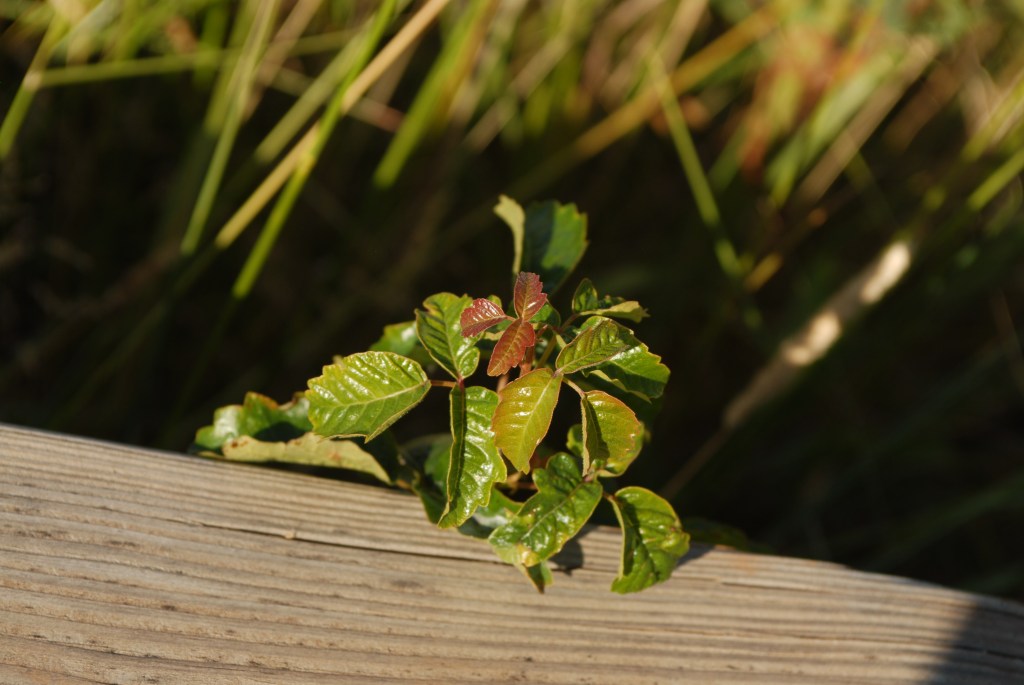
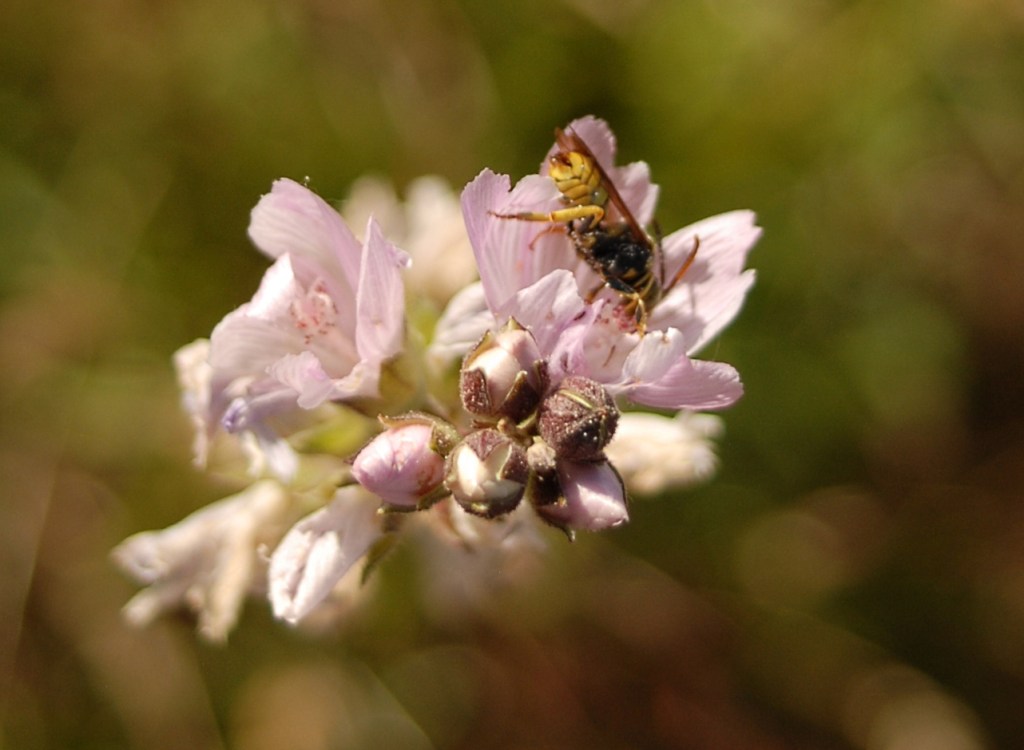
This blackberry blossom had a ton of little beetles (or weevils?) crawling among the stamen. Poison oak was also aplenty. It’s easy to spot at this early stage, because of its red, shiny new leaves.I don’t actually know if I react to it – so far, I’ve either been extraordinarily lucky, or don’t react to its oil.Another bug! Notice the sunspots right above the bug – the flat sides are due to the physical shape of the opening in the camera lens. Some people don’t like this effect – I do.A weevil friend! You can tell due to its distinct “snoot” and antenna attached halfway up the snoot.For this photo, to get everything sharp, I had to use a smaller aperture (the hole in the lens that lets light through) – the smaller the hole, the deeper the area in focus is. The larger the hole, the less deep the area of focus is. Most of the photos above used the largest opening size in the lens. There were SO MANY DAISIES. I really wanted to pick a bouquet, but didn’t want to carry it (in addition to my camera and bag) all the way back. Wasps are pollinators too, but I still prefer honeybees 😛
One nice thing about this camera (and its 10MP sensor) is that – as long as the image is in focus enough – I can crop quite a bit. The wasp image above was about 8x larger than what you’re seeing, but due to the higher resolution of the sensor, I can crop in to just what I care about afterwards.
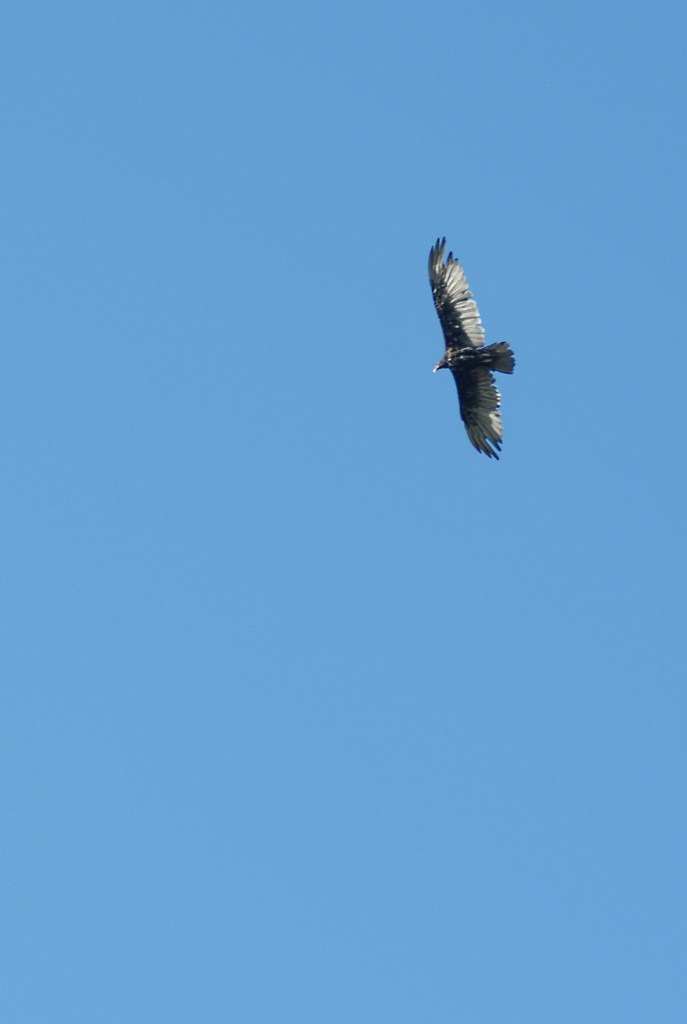
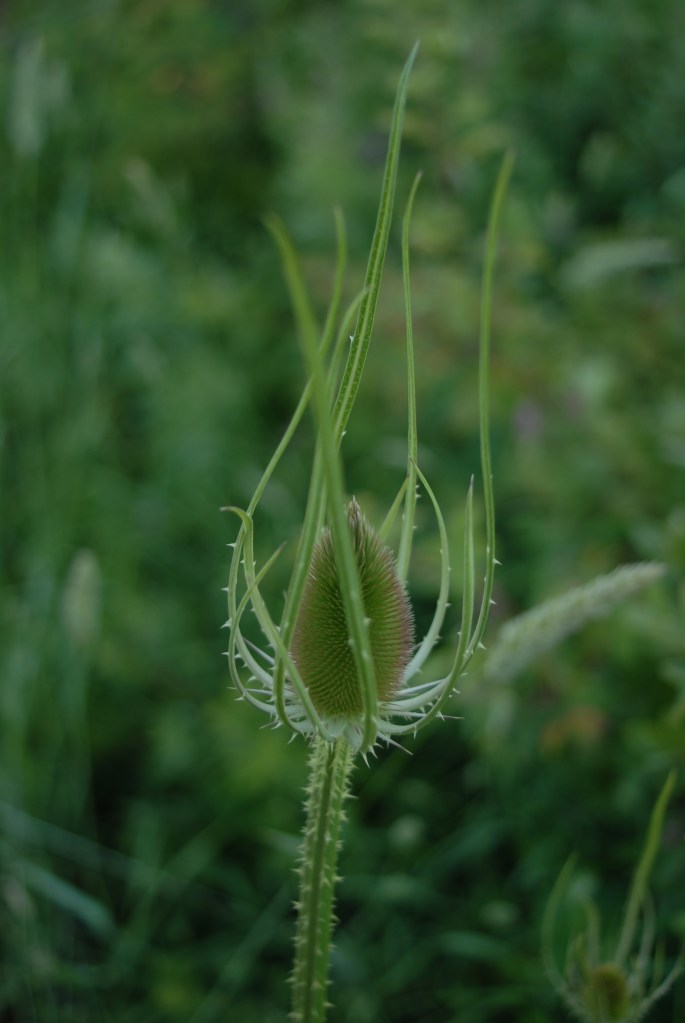
This old car is hanging halfway over the edge of the river bank, supported by several trees grown through it. It might be a Fiat 850 or something close, but I can’t tell for sure.I love the colors and very soft grain of this photo.More daisies . . . …Woah, not a daisy!This might be my favorite photo of this whole walk. These flowers are beautiful, and the bokeh, lighting, and colors are fantastic.I’m not sure what bird this was.Two bugs sharing a daisy!Delightfully evil looking plant.This bumblebee was a happy accident – I was snapping photos of something else and heard a buzzing near my ear!The 2015 Chevrolet Volt isn’t the sleekest of cars, but I like mine.
All for now!
All images in this post can be used under the terms of the CC-BY 4.0 license. No other images on this site may be used under this license unless otherwise noted.




























 jacobblogs